Water Heater Water Damage Repair in Glendale
Water damage repair after a water heater leak in Glendale starts with three moves: shut off the water and power to the tank, take photos, and get wet floors and walls drying in the first 24-48 hours. Then the leak gets fixed and damaged materials are dried, removed or rebuilt.
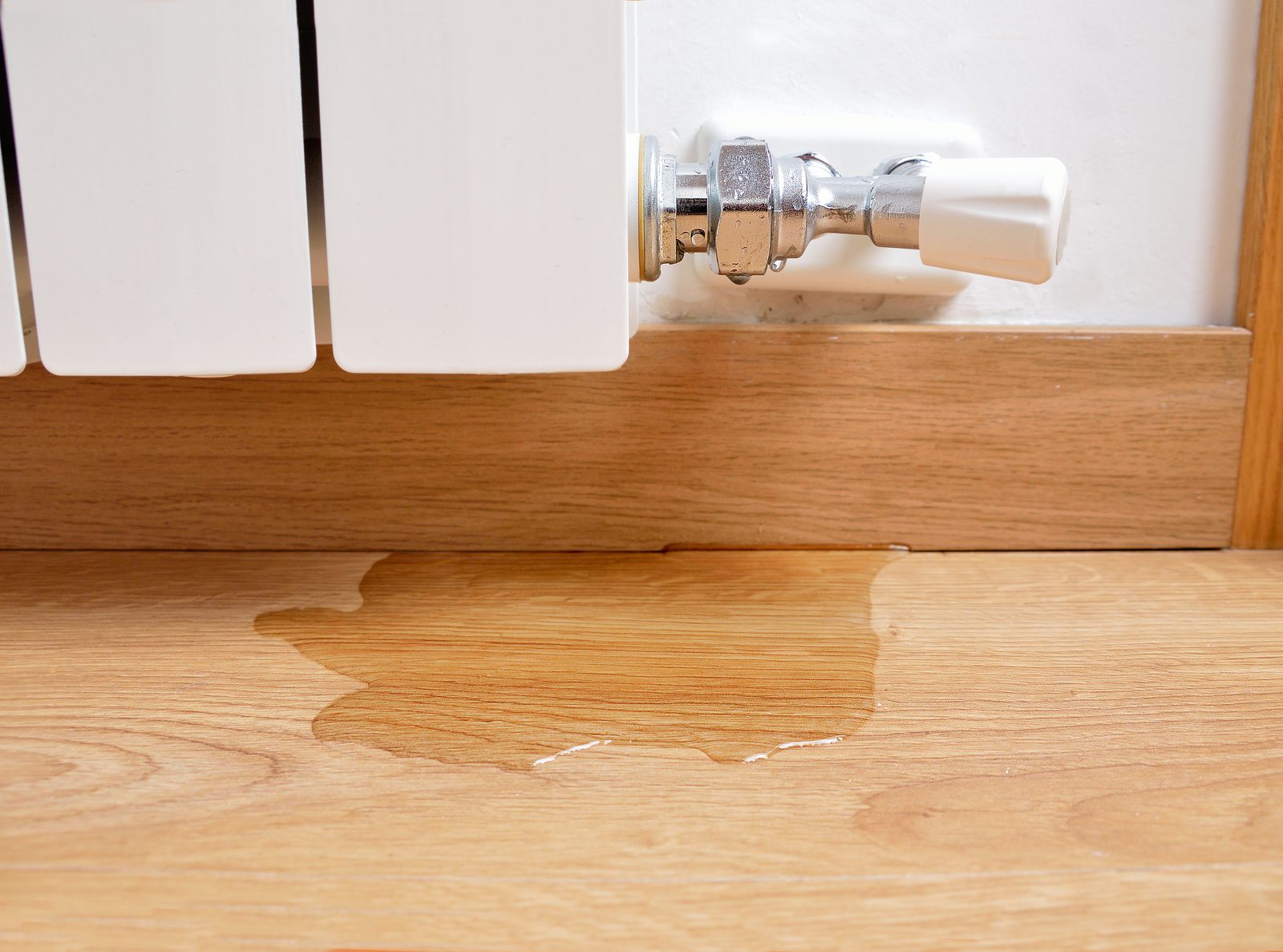
- EPA says to dry water-damaged areas and items within 24-48 hours to prevent mold growth.
- The City of Glendale says hard water can lead to scaling in pipes, water heaters and plumbing fixtures.
- Arizona DIFI advises taking pictures of the damage before any mitigation, plumbing or restoration work starts.
- DIFI also advises calling your insurer or adjuster before calling a contractor.
- Fixing the tank or its piping is plumbing work; drying and rebuilding the room is water damage repair.
What to do first
- Close the cold-water supply valve on the pipe that feeds the top of the water heater. If it will not turn, close the main shut-off for the house.
- Cut the power: switch off the breaker for an electric unit, or turn a gas unit's control to the off or pilot setting. Never stand in water to reach a breaker or outlet.
- Take photos and video of the tank, the floor, baseboards and anything wet before you move or throw anything away.
- Move rugs, boxes and furniture out of the water and onto a dry surface.
- Call your insurer or adjuster, then call to be connected with a local water damage provider.
What does water damage repair after a water heater leak in Glendale involve?
Water damage repair after a water heater leak in Glendale means removing the standing water, drying the floor, walls and cabinets around the tank, and then replacing only what cannot be saved. The tank or its fittings are a separate plumbing fix. Both jobs need to happen, usually in that order: stop the water, then dry, then rebuild.
- Extraction: pulling water out of carpet, pad and low spots. See emergency water extraction.
- Drying: air movers and dehumidifiers run while moisture readings are tracked. See structural drying.
- Repair: baseboards, drywall, pad or flooring that stayed wet too long are replaced.
How do I know if my water heater is leaking or just sweating?
A true leak leaves water that keeps coming back after you wipe it up, while condensation is a light film that stays small. Dry the area, lay down paper towels, and check again in an hour. Water that returns and spreads is a leak and needs attention now.
- Top of the tank: drips at the supply connections or valve often point to a loose or corroded fitting.
- Relief valve pipe: water from the discharge pipe on the side means the valve opened, often from pressure or heat. Do not cap it.
- Bottom of the tank: a steady pool under the base, or rust-colored water, can mean the tank itself has failed.
Leaks in garages, closets and attics can soak into walls before you see them. Our guide to signs of hidden water damage covers what to look for.
Why does hard water matter for water heaters in Glendale?
Hard water matters because the minerals settle inside the tank and fittings as scale. The City of Glendale says hard water can lead to scaling in pipes, water heaters and plumbing fixtures like faucets and showerheads. Scale does not cause every leak, but it is one reason to have a tank checked on a regular basis.
Glendale's 2025 Water Quality Report shows the city's supply as 55% Salt River Project water, 41% Central Arizona Project water and 4% groundwater. Signs of mineral buildup at home include white crust on faucets, popping or rumbling sounds from the tank, and sediment when the tank is drained. A plumber can tell you whether flushing, a part replacement or a new unit makes sense.
Need help now? Call to be connected with a local provider in Glendale who can check availability for your address.
How fast does water from a water heater cause damage?
Damage starts as soon as water reaches porous materials, so the first day matters most. EPA says it is important to dry water-damaged areas and items within 24-48 hours to prevent mold growth. Drywall, baseboards, carpet pad and particleboard cabinets soak up water quickly and wick it upward. A failed tank can keep refilling until the supply valve is closed, which is why shutting off the water comes first.
Can I dry water heater water damage myself?
You can handle a small, shallow spill on a hard floor yourself if it is caught early and nothing else got wet. Mop it up, run fans, and keep checking the base of nearby walls. Larger leaks are harder, because water travels under flooring, behind baseboards and into wall cavities where fans do not reach.
- Water that ran under tile, laminate or vinyl plank
- Wet carpet and pad in a room next to the tank
- Drywall that feels soft or shows a stain line
- A musty smell a few days later
EPA advises keeping indoor relative humidity below 60 percent, ideally between 30 and 50 percent. If you cannot get there, or you are unsure what is still wet, call to be connected with a local provider who can take moisture readings.
What happens during the visit?
The visit starts with an inspection. The provider confirms the water is off, finds where it traveled, and uses moisture meters on floors, walls and cabinets. They take photos and notes you can keep for your records.
- Inspection: mapping wet areas around the tank, in the garage or closet, and in nearby rooms.
- Options explained: what can be dried in place, what may need to come out, and why. The page on dry and restore vs. replace explains the trade-offs.
- Written quote before work: you get a written scope and quote before any work starts, so you can share it with your insurer.
Drying time depends on how much water spread and what the materials are.
Does homeowners insurance cover a water heater leak in Glendale?
It depends on your policy and on how the damage happened. Many policies treat sudden damage differently from gradual leaks, so check your policy and document everything. Arizona DIFI says water damage not caused by a flood may be covered if it results from a sudden or accidental event, and that your policy spells out what is and is not covered.
- Take photos before any cleanup starts.
- Call your insurer or adjuster before calling a contractor, and confirm coverage with the adjuster.
- Keep a log of dates, times, names and the drying equipment used.
- Save the failed part or tank until your adjuster says you can discard it.
For more, read water damage insurance claim basics.
When should I worry about mold after a water heater leak?
Worry about mold when materials stay wet past the first day or two, or when you see or smell it. The Arizona Department of Health Services says testing is not the first step: if you can see or smell mold, you have a problem. ADHS also says to remove the moisture source first, because mold returns if the area gets wet again.
EPA says homeowners can usually clean a moldy area smaller than about 10 square feet themselves. For larger areas, or mold inside walls, see mold remediation after water damage.
Water heater leaks in Glendale and nearby West Valley cities
Water heaters in Glendale homes often sit in garages, hall closets or utility rooms, close to drywall, baseboards and flooring. The City of Glendale says hard water can lead to scaling in pipes and water heaters, and its 2025 report shows a supply that is 55% Salt River Project, 41% Central Arizona Project and 4% groundwater. Homes in Peoria, Surprise, Sun City and Litchfield Park face the same kind of indoor leak risk, though water providers differ by city.
- Hiring: Arizona law makes it unlawful to act as a contractor without a license in good standing unless exempt. The handyman exemption is narrow: it covers only small, minor jobs that need no permit.
- Plumbing: the Registrar of Contractors R-37 classification covers installing and repairing water and gas piping and fixtures. You can look up a contractor in the ROC online contractor search.
- Quotes: DIFI says it is your right to get more than one quote, and warns against door-to-door offers you did not request.
- Renters: DIFI advises renters to check with their landlord before any repair work begins.
See all service areas near Glendale.
Related pages
Questions people ask
What should I do first if my water heater is leaking in Glendale?
Shut off the cold-water supply to the tank and turn off its power or gas. Then take photos, move belongings out of the water, call your insurer, and call to be connected with a local provider for water damage repair.
Where is the shut-off valve on a water heater?
It is usually on the cold-water pipe going into the top of the tank. Turn the handle clockwise or set a lever valve across the pipe. If it is stuck, close the main shut-off for the house.
Is it safe to be near a leaking water heater?
Usually yes, if you stay out of standing water near outlets and cut the power first. Do not reach for a breaker or plug while standing in water, and leave the area if you smell gas.
How do I find water damage repair near me in Glendale after a water heater leak?
Call the number on this page to be connected with a local provider who serves Glendale and nearby cities. Ask about inspection, moisture readings and a written quote before any work starts.
Can a leaking water heater damage the walls next to it?
Yes. Drywall and baseboards wick water upward, and water can run under the bottom plate into the next room. Moisture meters show how far it spread.
Why is my water heater leaking from the bottom?
A leak at the base often means the tank itself has failed, though a drain valve or relief valve line can also drip there. A plumber should check it, because a failed tank usually needs to be replaced.
Why is water coming out of the pipe on the side of my water heater?
That pipe is the discharge line for the temperature and pressure relief valve, and water there means the valve opened. Do not cap or plug it. Have a plumber check the valve and the water pressure.
Does hard water make water heaters leak in Glendale?
Hard water is one factor, not the only one. The City of Glendale says hard water can lead to scaling in pipes and water heaters, which is a good reason for regular checks.
How long does it take to dry out water damage from a water heater?
It depends on how much water spread and what got wet, so no one can say before an inspection. EPA says the goal is to dry water-damaged areas within 24-48 hours to prevent mold growth.
Do I need to replace drywall after a water heater leak?
Not always. Drywall that was wet briefly may dry in place, while drywall that stayed wet, sagged or grew mold usually comes out. The inspection should explain which applies.
Will insurance pay for water heater water damage in Arizona?
It depends on your policy, so no one can promise coverage. Many policies treat sudden damage differently from gradual leaks; check your policy, document everything, and confirm coverage with your adjuster.
Should I call my insurance company or a contractor first?
Arizona DIFI advises calling your insurance company or adjuster before calling a contractor. Take photos first, then make the call.
What should I photograph after a water heater leak?
Photograph the tank, the label, the floor, baseboards, cabinets and any damaged belongings before cleanup. DIFI advises taking pictures before mitigation, plumbers or restoration contractors arrive.
What does water damage repair cost after a water heater leak in Glendale?
It depends on how far the water spread and what needs drying or replacing, so a fair number needs an inspection. Ask for a written quote before any work starts, and know that you can get more than one quote.
Does a contractor need a license in Arizona to repair water damage?
Generally yes, except for small, minor jobs that need no permit. Arizona law makes it unlawful to contract without a license unless exempt, and you can check a license in the ROC online contractor search.
I rent my home in Glendale. What should I do about a water heater leak?
Shut off the water if you can do it safely, take photos, and tell your landlord right away. DIFI advises renters to check with their landlord before any repair work begins.
How can I prevent another water heater leak?
Have the tank and its valves checked on a regular basis, and watch for rust, drips or popping sounds. A drain pan and a leak sensor near the base can catch problems early.
Talk to someone about your water damage problem
Call to be connected with a local provider who can check availability for your address and explain the next step.