Work staged around trading
Ask whether extraction and equipment placement can be planned so the areas you need stay open where that is safe, and whether noisy work can be scheduled outside business hours.
A flooded store, office or warehouse has two problems: the water, and the trading days it costs. Ask the independent provider about working around business hours in Glendale and documenting the job for the property file.
West Valley commercial buildings run large flat roofs with internal drains and scuppers that fill with dust and debris between storms. Add a rooftop unit condensate line, a fire sprinkler line or a restroom supply failure and the water usually ends up in a tenant space below.
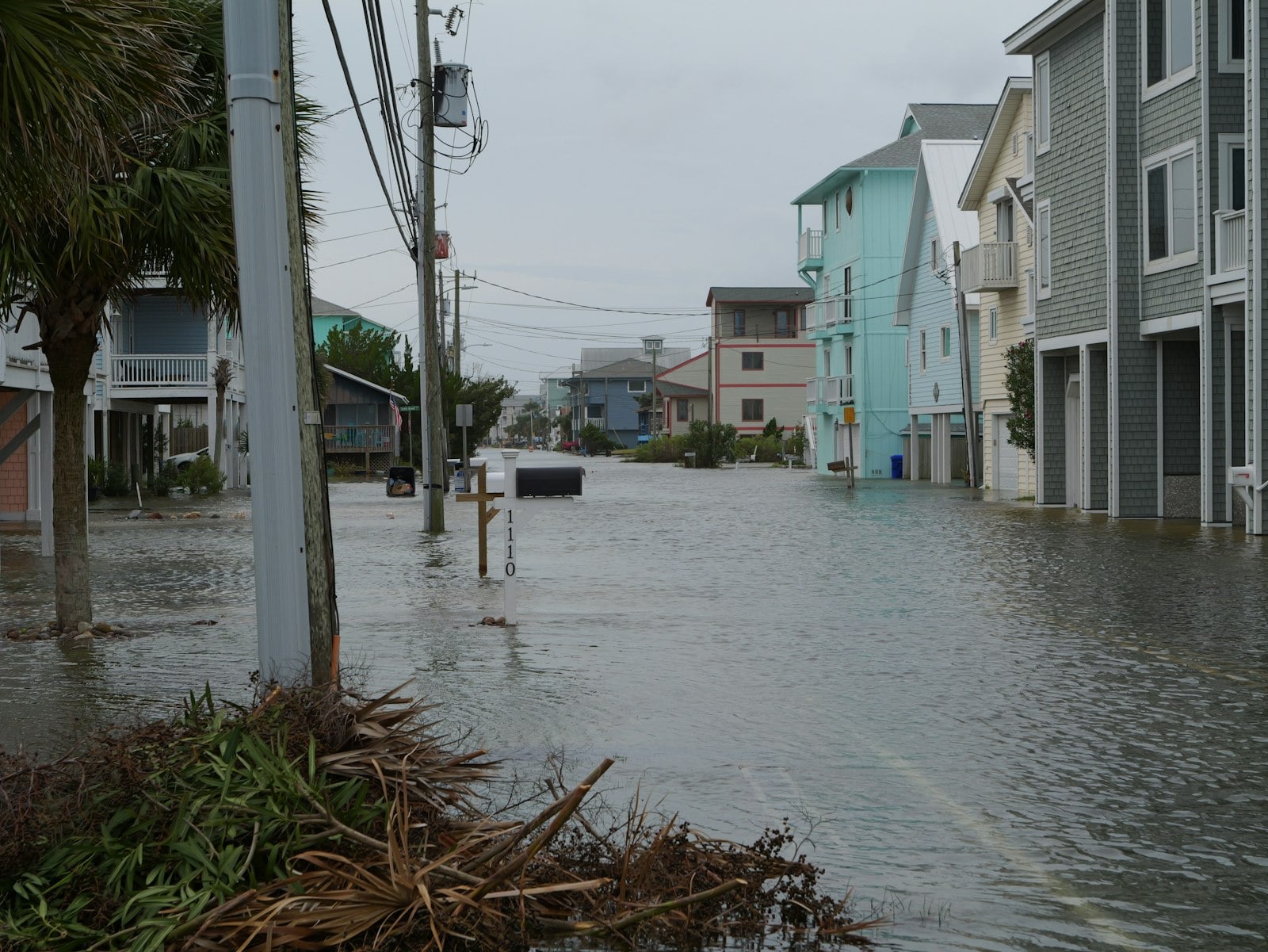
Commercial jobs are scoped around the wet area, the construction type and how much of the space has to keep operating. Confirm that with the independent provider before the equipment goes in.
Ask whether extraction and equipment placement can be planned so the areas you need stay open where that is safe, and whether noisy work can be scheduled outside business hours.
Ask the provider to keep photos, moisture logs, equipment counts and a materials list as the work goes, for the property manager and the insurer.
Landlords, tenants and facilities teams often all have a say. Confirm with the provider who approves the scope before any material is removed.
A warehouse slab dries very differently from a carpeted suite over a plenum, so the equipment plan and the schedule are set after the wet area has been mapped.
The same steps apply as in a home: extraction, drying, and the repair decisions set out in the restore versus replace comparison.
For storm-related losses see storm and flood cleanup, or confirm coverage for your building on the service areas page.
Ask the independent provider. Tell them which hours the space has to stay open and which areas can be closed off, so the equipment plan can be built around that.
That depends on the lease. Confirm early whether the landlord, the property manager or the tenant approves the scope, because removal work should not start while that is unresolved.
Items are moved out of the wet area and listed first wherever that can be done safely. Anything electrical that has been in contact with water is left for a qualified check before it is powered up again.
Yes. The wet area rarely matches the lease lines, so the first job is mapping where the water actually went and telling each affected party what is in their space.
Call and describe the building type, the wet area and the hours you need to stay open.