Emergency Water Extraction
Standing water has to come out first. Until it does, nobody can tell how far it traveled under the cabinets and along the slab.
Emergency Water ExtractionWater keeps moving into baseboards, cabinet bases and carpet pad long after the floor stops looking wet. Glendale Water Damage Repair connects you with independent water damage restoration providers in Glendale. Availability varies by provider.
Standing water has to come out first. Until it does, nobody can tell how far it traveled under the cabinets and along the slab.
Emergency Water Extraction
A floor that feels dry on top is not a dry floor. Framing, base plates and subfloor are dried to a reading, not to a guess.
Structural Drying
A split supply line behind a wall or under the slab can run for hours, especially in a house that sits empty over the summer.
Burst Pipe Cleanup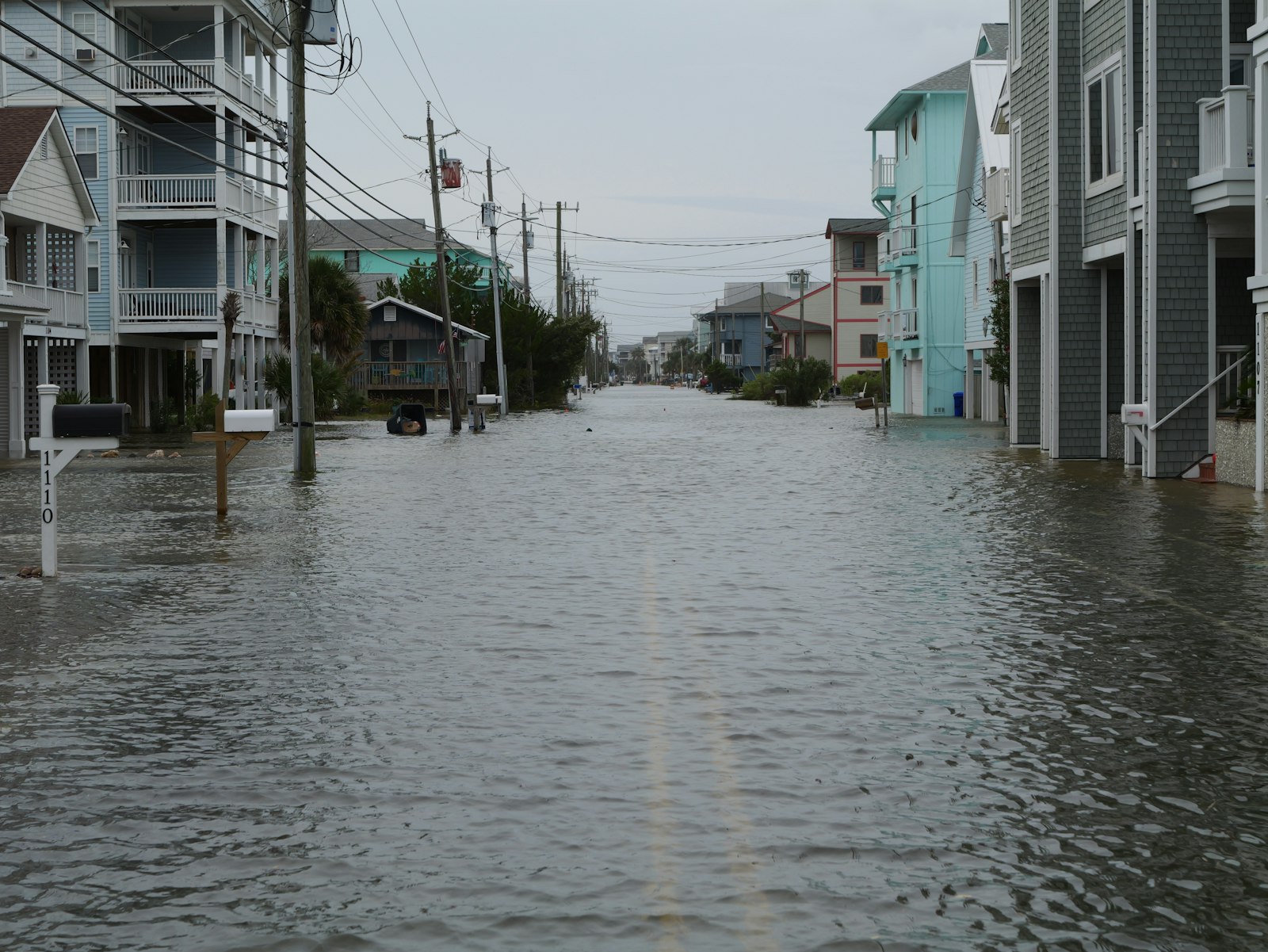
Monsoon water that came in from the yard is handled differently from a clean supply leak, because of what it carries with it.
Storm and Flood Cleanup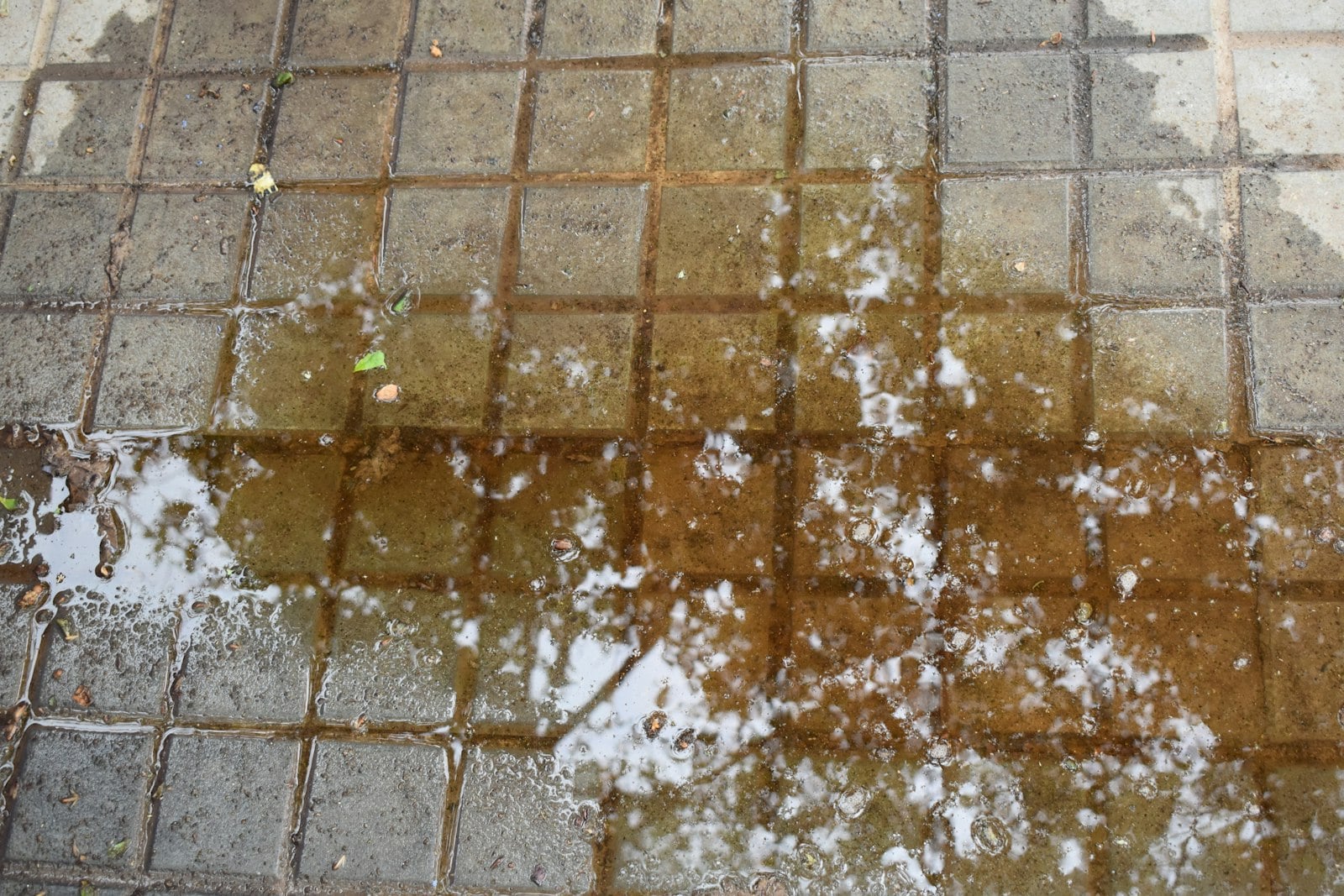
A backup through a floor drain, tub or shower pan is a health hazard rather than a mopping job. Keep people and pets out of the room.
Sewage Cleanup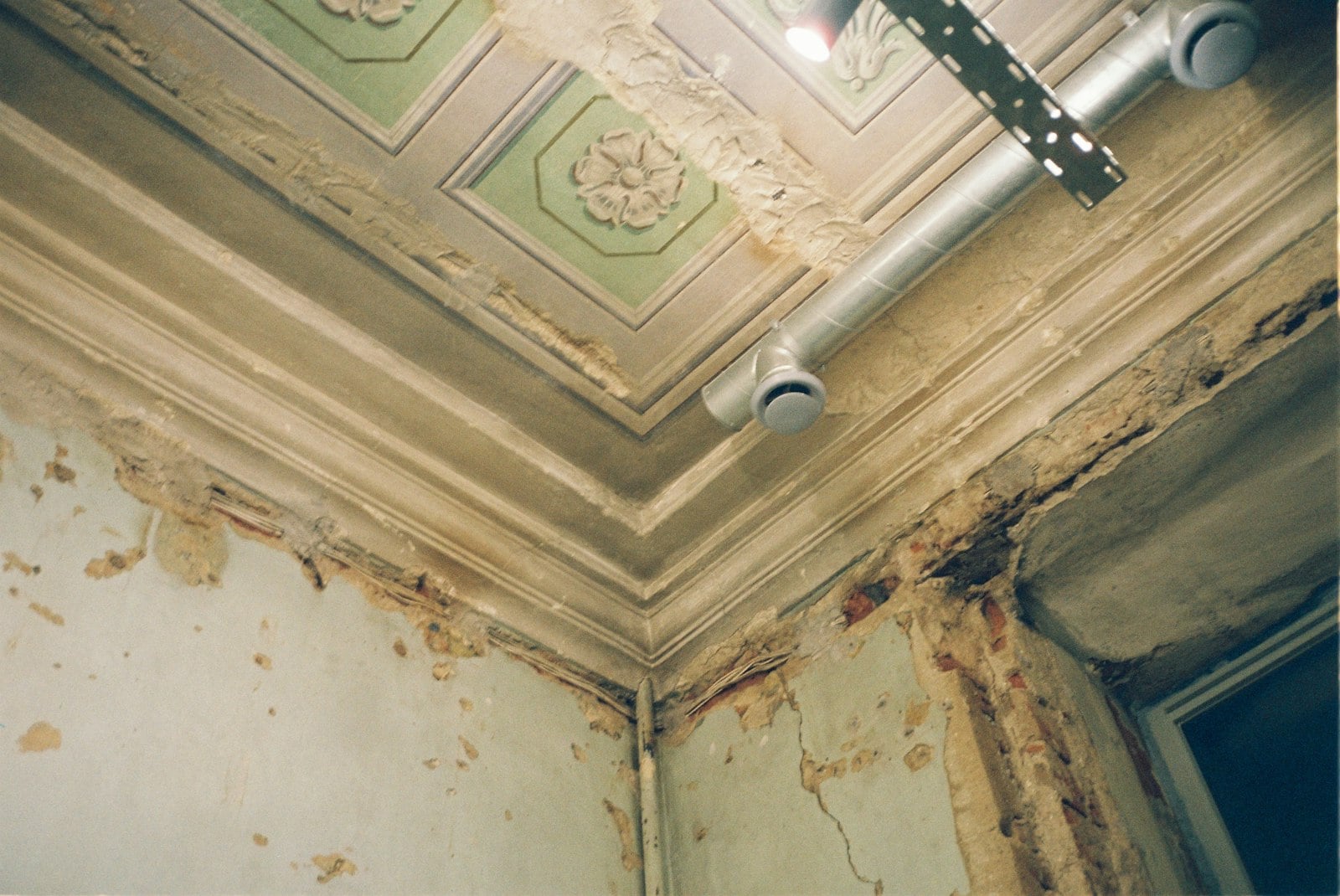
When a leak has been wetting a wall quietly for weeks, the water source is fixed before anything is cleaned, sealed or painted.
Mold Remediation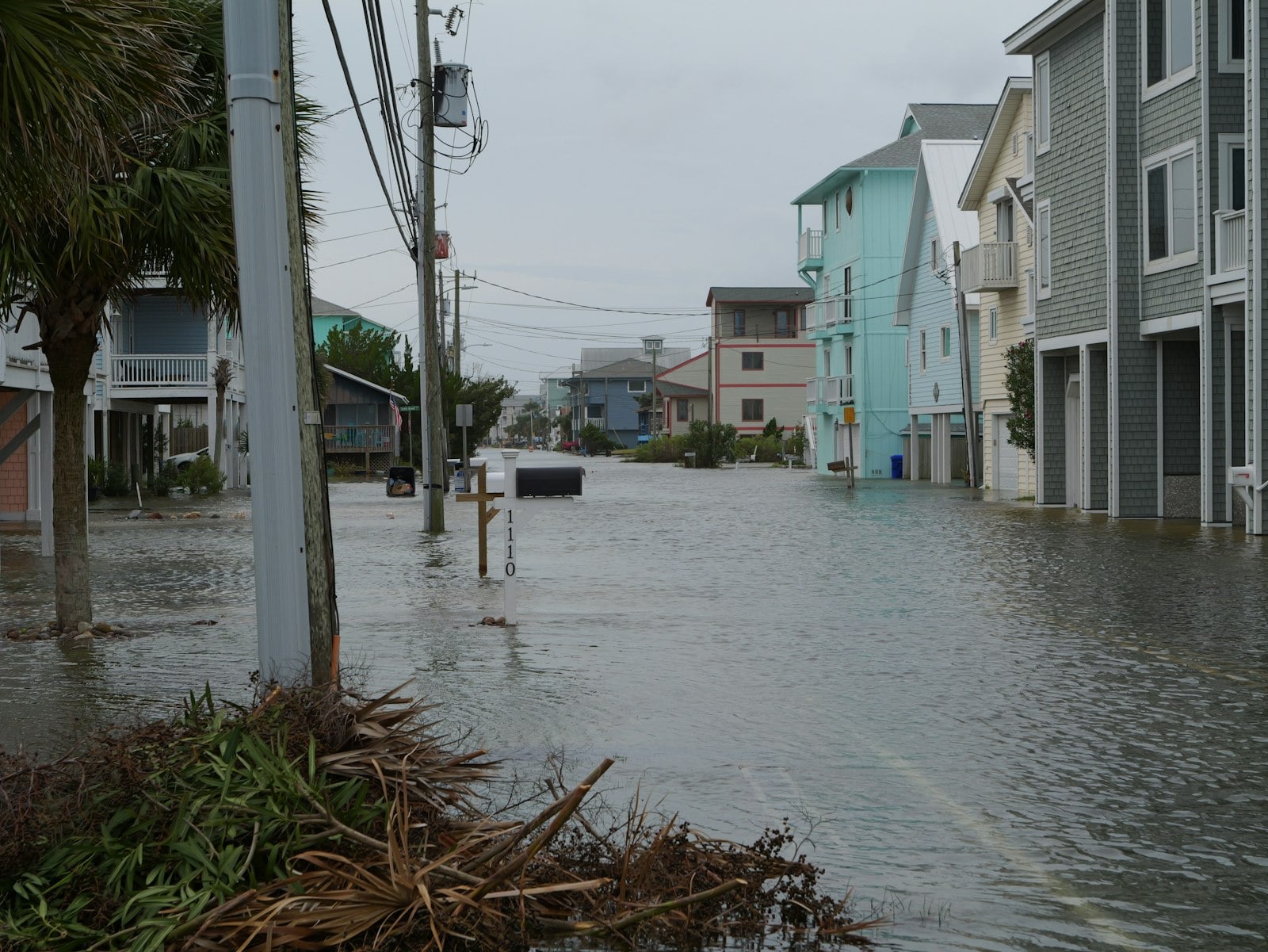
Stores, offices and warehouses need the work staged around opening hours and documented clearly for the property file.
Commercial Restoration
Wind-driven rain gets under tile and past a dust-blocked roof drain. The ceiling stain usually shows up after the framing is already wet.
Roof Leak Cleanup
A dishwasher, a washing machine hose, an ice line or a water heater tank wets the cabinet run and the flooring long before it shows.
Appliance Leak CleanupNothing dries while water is still arriving. The first job is finding where it came from and shutting it off, then measuring how far it has already spread.
Meters and a thermal camera show wet material behind a surface that looks fine. Ask the provider to show you the readings so the scope is not a guess.
Ask the provider for the scope in plain terms: what comes out, what is dried in place and what happens afterward, and the price before anything starts.
Glendale homes are built on a slab with no basement, so water runs sideways across tile and carpet and wicks up the drywall instead of draining away. Between a monsoon downpour, an air conditioner condensate line that backs up in August and a supply line letting go behind a wall, most problems here start the same way: a wet patch that turns out to be much bigger than it looks.
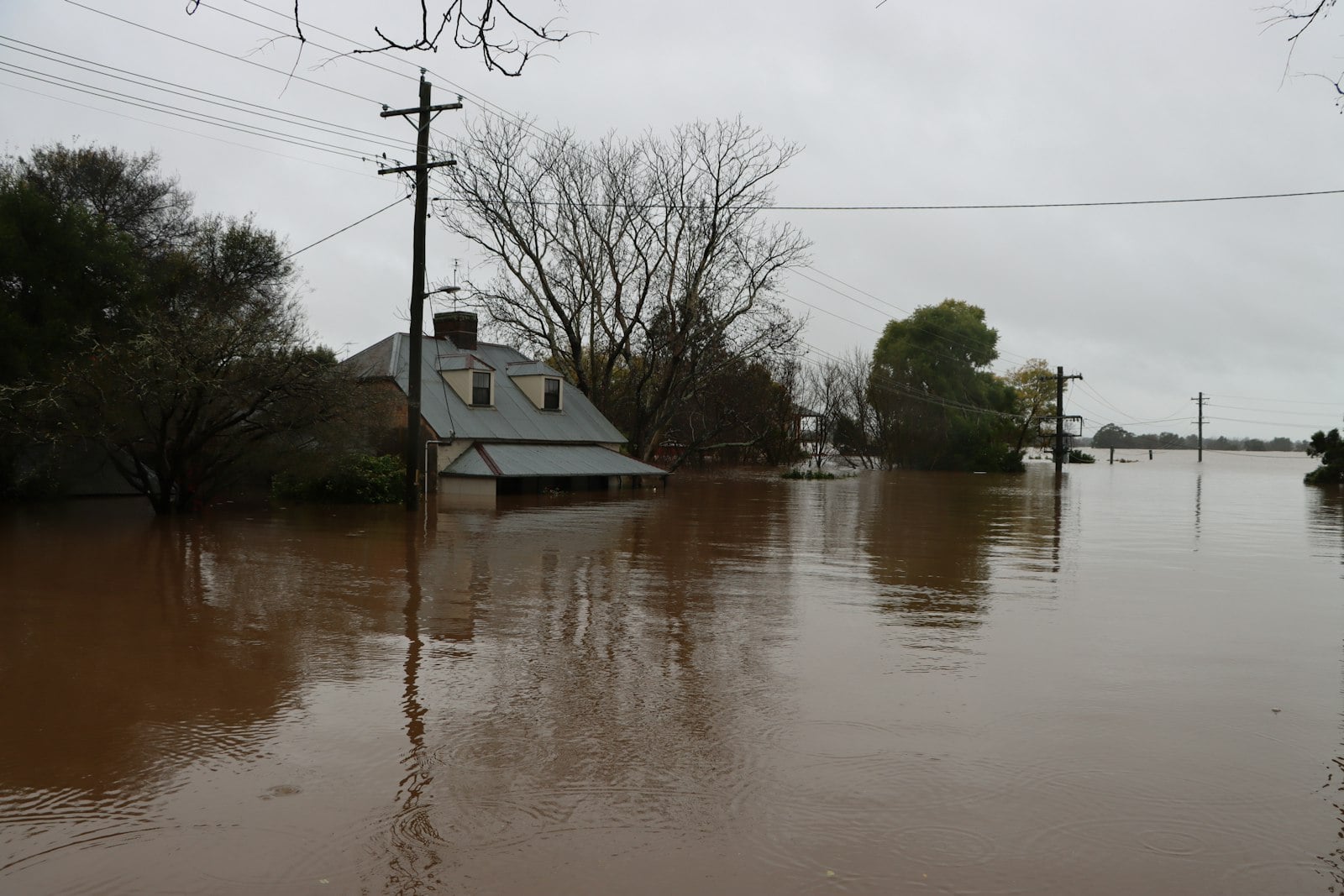
From July into September a microburst can drop more rain in an hour than the street can carry. Water reaches the house at the garage slab and the front threshold.
See storm cleanup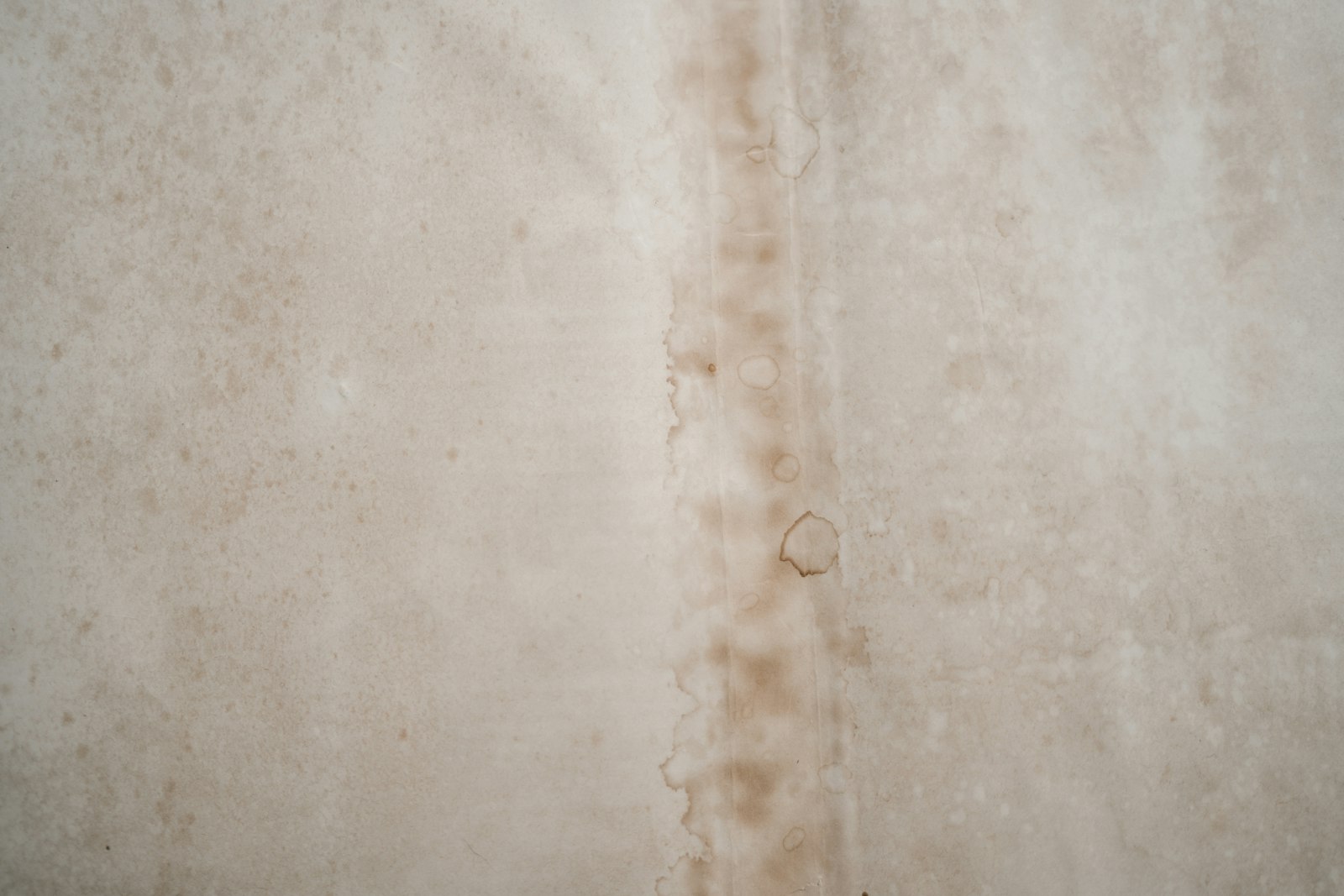
A clogged condensate line backs up into the air handler closet or the attic pan, and the first sign is often a brown ring on a hallway ceiling.
See hidden damage signsPolybutylene and aging copper give way without warning. A line that lets go while nobody is home can put water through half a floor plan.
See burst pipe cleanupWind-driven rain gets under tile and past a dust-blocked scupper on a flat roof. The stain often appears days later, once the framing is already wet.
See the first 24 hoursWater coming up through a shower pan or floor drain is contaminated. Stay out of the room and leave the air conditioning off until it has been cleaned up.
See sewage cleanupBuckling baseboard, a musty smell or a soft cabinet floor usually means a leak that has been running quietly for weeks.
See mold remediationSay where the water is, how long it has been there and whether it is clean, from outside or from a drain, so the provider can plan the equipment.
The independent provider isolates the source where that is safe, pulls out standing water and lifts the material that cannot be saved.
Air movers and dehumidifiers are placed for the size of the wet area, and readings are taken until the material is back to a normal level.
You get the drying record, the photos and a clear scope for any drywall, baseboard or flooring repairs before that work is approved.
Older streets near Grand Avenue and newer subdivisions toward Lake Pleasant fail in different ways. Mention the age of the house.
View Peoria service
Plenty of homes here are closed up for the summer. A leak found late has usually reached far more material than it looks like.
View Surprise serviceLow streets can hold water after a monsoon cell. Say whether the water came in from outside or from a fixture indoors.
View Avondale serviceNewer construction still floods from condensate lines, water heaters and appliance supply lines. Note the age of the house.
View Goodyear service
Mature landscaping and irrigation right against the house hide slow leaks well. Mention it if the damp area is on an outside wall.
View Litchfield Park service
Older blocks and newer subdivisions sit side by side here. Say when the water started and whether it has stopped.
View El Mirage serviceSingle-story homes that sit empty through the summer can run a leak for weeks. Say when the house was last checked.
View Sun City serviceSingle-story 1980s and 1990s homes, plenty of them closed up all summer. Say when anyone was last inside the house.
View Sun City West serviceNewer subdivisions and rural acreage lots below the White Tank Mountains. Give the cross streets along with the address.
View Waddell servicePricing is set by the independent provider and depends on what the inspection finds: how many rooms the water reached, what the flooring is, whether the water was clean or contaminated, and how much material has to come out instead of being dried. Ask the provider to measure the wet area and confirm the price before anything starts. See what gets dried and what gets replaced.
Stop the water at the main valve if the source is inside, keep everyone away from water near outlets and appliances, then call. Glendale Water Damage Repair connects callers with independent restoration providers; ask the provider when extraction can start. Read about emergency water extraction.
Within hours rather than days. Drywall, carpet pad and cabinet bases start breaking down almost immediately, and growth becomes likely inside a day or two, which is what turns a drying job into a removal job. Read how structural drying works.
Often yes, if the water was clean and the drying started quickly. Drywall that stayed wet for days, or that took on drain or storm water, is normally cut out instead. An independent provider should base that decision on moisture readings rather than appearance. Compare drying in place and removal.
It depends on the water and how much of the house it reached. Clean water in one room is usually manageable, while drain or sewer water means keeping people and pets out of that area and leaving the air conditioning off until the system is checked. Read about sewage backup cleanup.
Most homes run drying equipment for several days, and the moisture readings decide when it comes out rather than a fixed schedule. Ask the provider to check the same points each visit so you can see the numbers coming down. See how drying equipment works.
It depends on the policy and on what happened, and a sudden failure is treated differently from a leak that ran for months. Document everything before cleaning up, and keep the drying record. Read the insurance claim basics.
Look for a musty smell in one room, bubbling paint low on a wall, swollen baseboard, a stain that returns after painting or a water bill that jumped for no reason. A moisture meter and a thermal camera confirm it. See the signs of hidden water damage.
Yes. Mold needs wet building material rather than humid air, so wet drywall, carpet pad and cabinet bases can start growing within a couple of days even when the outdoor air is very dry. Read about mold remediation after water damage.
Glendale Water Damage Repair connects callers in Glendale and the West Valley, including Peoria, Surprise, Avondale, Goodyear, Litchfield Park, El Mirage and Sun City, with independent providers. Availability depends on the provider and the property location. Check the service areas.
Call and say what the water is doing to reach an independent provider.