Signs of Hidden Water Damage
Glendale Water Damage Repair walks Glendale homeowners through the stains, smells and soft spots that point to a leak running quietly behind a wall, a cabinet or a ceiling.
- Restoration Referrals
- Independent Pros
- Drying & Repairs
By the Glendale Water Damage Repair team · Updated September 2026
A Ring on the Ceiling
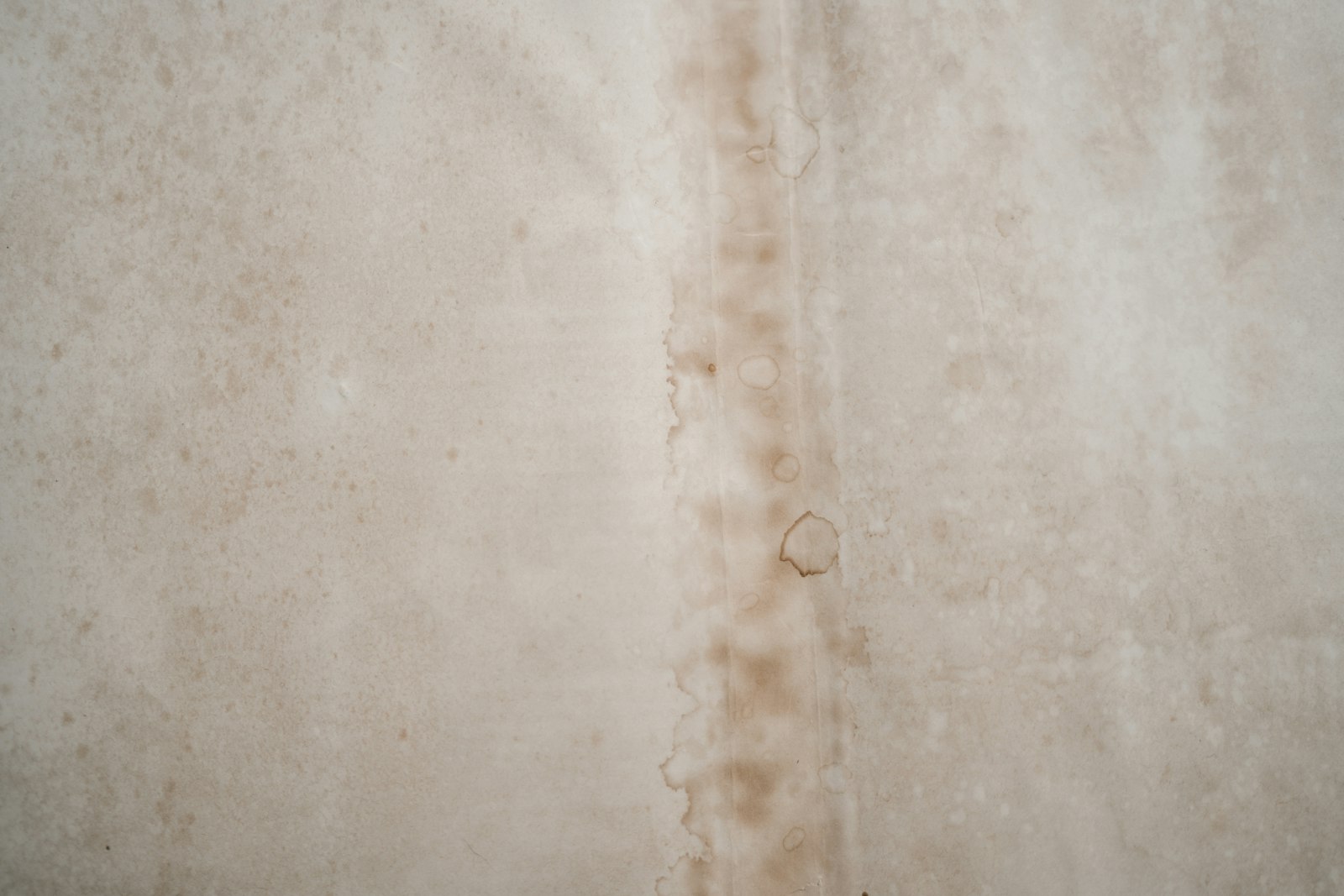
A brown ring on a hallway or bedroom ceiling almost always means water above it. In this part of Arizona the two usual sources are a roof leak that got in during a windy storm and an air conditioner condensate line that clogged and overflowed the attic drip pan.
The tell is timing. A stain that appeared within a few days of a monsoon storm points at the roof, especially on tile or on an older flat roof where the scuppers fill with dust. A stain that grew during a hot stretch with no rain points at the condensate line. Either way, a ring that is still growing is an active leak, and a painted-over ring that keeps coming back means the source was never found.
A Musty Smell With No Visible Source
Smell is the most reliable early sign there is. Mold needs wet material rather than humid air, so a musty smell in a dry climate is telling you that something in that room is still wet: a cabinet floor, the bottom of the drywall, the pad under the carpet or insulation above the ceiling.
Pay attention to where the smell is strongest and when it appears. A smell that is worst in one closet or under one sink narrows the search a long way. A smell that returns whenever the air conditioning cycles off often points to the air handler closet or a duct run.
Soft Floors, Swollen Baseboard and Loose Tile
Run a hand along the baseboard in the room you are suspicious about. Baseboard that has swollen, cupped or pulled slightly away from the wall has been sitting in water at some point. Paint or joint tape blistering in a line along the bottom of a wall says the same thing.
On floors, look for laminate that has lifted at a seam, wood that has cupped, or tile that sounds hollow when tapped. In kitchens and bathrooms, open the cabinet under the sink and press on the cabinet floor near the back corners. Particleboard that gives under a thumb has been wet for a while.
A Water Bill That Jumped For No Reason
A usage jump with no change in habits is a classic slab leak clue, and it is worth checking properly. Turn off every fixture and appliance that uses water, then look at the meter. If the dial is still moving, water is going somewhere.
Other clues point the same way: a warm patch on a tile floor, hot water that never quite keeps up, a drop in pressure with no work going on in the street. Outside, a pool auto-fill valve stuck open or a cracked drip irrigation line can soak a side yard against the house and quietly wet the wall from the garden side. Older homes here run copper under the slab, and decades of very hard water leave pinholes in it.
Damp That Comes Back After Painting
Any stain, bubble or damp patch that returns after it has been painted is not a cosmetic problem. Paint seals the surface while the material behind it stays wet, and the problem reappears within weeks, usually slightly larger than before.
The same is true of a patch of drywall that was replaced without finding the source. If a repair has been done twice in the same spot, stop repairing and get the wall measured instead. A moisture meter and a thermal camera will find wet material behind a finish that looks perfectly normal.
Hidden Leaks in West Valley Homes
Slab-on-grade construction is what makes hidden leaks so common here. There is no crawl space to inspect and no basement where a drip becomes obvious, so a supply line under the slab or a wall leak behind a cabinet can run for months with nothing visible except a slightly higher bill.
Neighborhood age is a useful shortcut. Homes built between the early 1980s and the mid-1990s may have polybutylene supply lines that turn brittle. Older houses around downtown Glendale and in the retirement communities have original copper and clay or cast iron sewer lines that desert tree roots find. Newer subdivisions leak from condensate lines, water heaters in hot garages and appliance supply lines instead. For local service details, see water damage restoration in Sun City.
Arrange an Inspection
If two or three of these signs line up in the same room, it is worth having the area measured rather than repainted. An independent provider can check for wet material behind the finish and explain what it finds.
Read about burst pipe and leak cleanup, see what mold remediation involves if growth has already started, or compare the paths in the restore versus replace guide. When you are ready, check how calls to this site work.