Water Damage Insurance Claim Basics
Glendale Water Damage Repair explains how documentation works after water damage in Glendale, what an adjuster usually asks for and where homeowners lose the most time.
- Restoration Referrals
- Independent Pros
- Drying & Repairs
By the Glendale Water Damage Repair team · Updated September 2026
Document Before You Clean Up
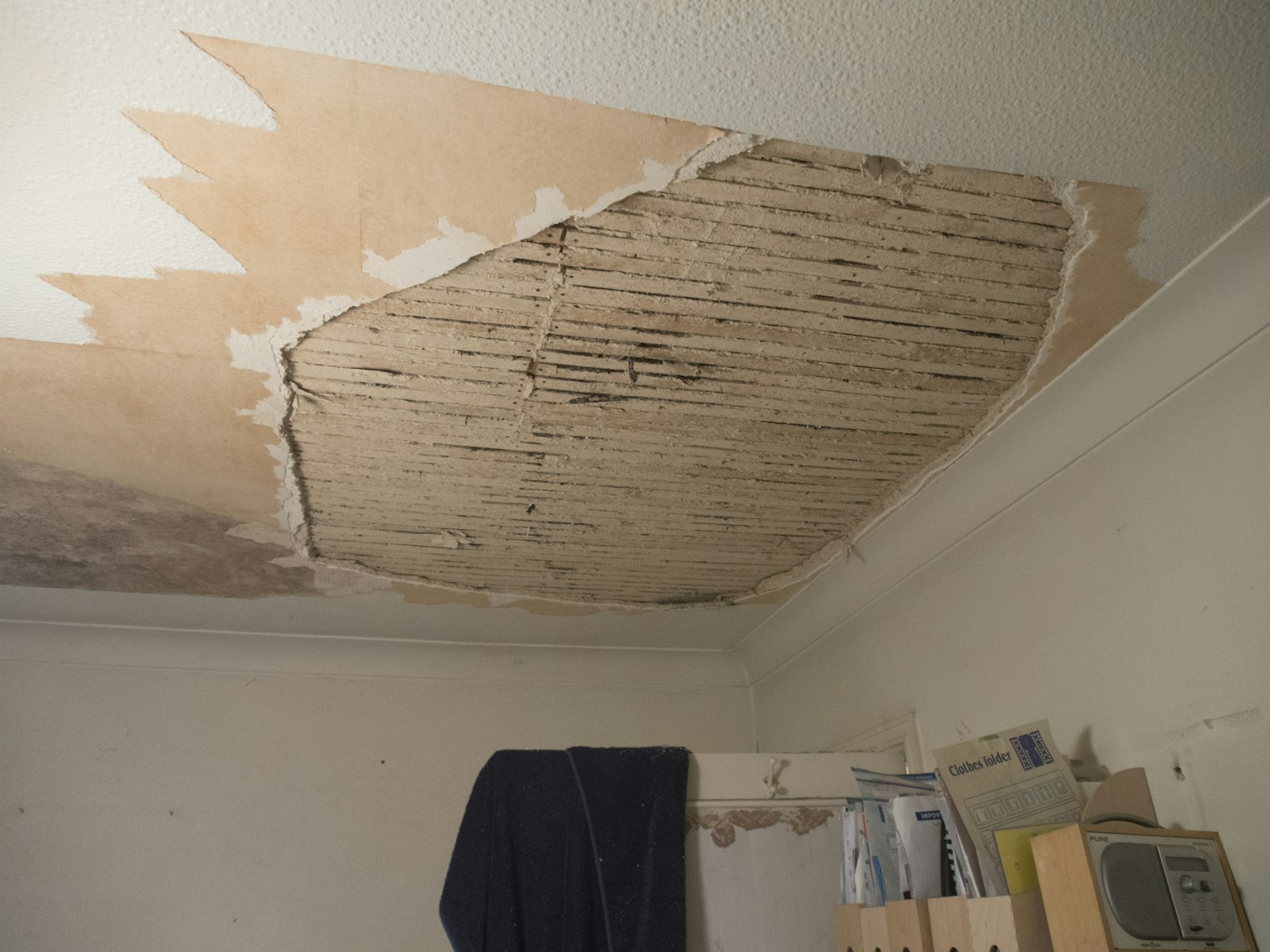
The record you build in the first hour is the one that carries the whole claim. Photograph and film every affected room before anything is lifted, mopped or thrown out. Capture the wall base, the flooring, the ceiling, the contents and the source itself, plus model and serial labels if an appliance failed.
Keep a simple written timeline as well: when you found the water, what you did, who you called and when. Save receipts for anything you buy in response, and keep damaged items in a garage or a spare room rather than taking them to the curb straight away. An adjuster generally wants to see what was damaged, not a description of what used to be there.
Report It Promptly
Most policies expect a loss to be reported without unnecessary delay, and they also expect the homeowner to take reasonable steps to stop further damage. Those two obligations sit together: call it in, and get the water stopped and extracted rather than waiting for permission to act.
That does not mean starting demolition before anyone has looked at it. Emergency work to stop the spread is normal and expected. Full repairs are a separate conversation that happens once the scope is agreed.
Sudden Damage and Long-Running Leaks
The distinction that comes up most often is between a sudden, accidental event and a leak that has been running for a long time. A supply line that lets go, an appliance hose that splits or a storm that drives rain through the roof is one kind of loss. A fitting that has been weeping behind a cabinet for a year is treated differently.
This is another reason the timeline matters. If you can show when the damage started and what you did about it, the conversation is much shorter. If nobody knows how long it was wet, expect more questions and more inspection.
Water that enters at ground level from outside is also handled separately from water that came from inside the house or through the roof. Coverage for that depends entirely on your own policy, so read it rather than assuming.
Keep the Drying Record
A proper restoration job produces paperwork: initial moisture readings, a map of the wet area, daily readings as the material dries, equipment counts and the days they ran, plus photos through the process. Ask for it and keep a copy.
That record answers most of the questions an adjuster asks about scope. It shows which materials were wet, how far the water traveled and why particular items were removed rather than dried. It also explains the extra power the equipment used while it was in the house.
What Usually Slows a Claim Down
Three things, mostly. Cleaning up before photographing, so there is no record of the original condition. Throwing damaged material away before anyone has seen it. And leaving the property wet for days, which turns a straightforward drying scope into a larger removal scope and raises questions about delay.
Nobody can promise how a claim will be decided, and no restoration company should tell you otherwise. What a good one can do is document the loss carefully, keep the readings, and set out the scope in writing so you are not arguing about facts later.
Claims in Glendale and the West Valley
Monsoon season produces a lot of local claims in a short space of time, which is exactly when documentation is most useful. Wind-driven rain under roof tile, a blocked scupper on a flat roof and water crossing a yard into the garage all get treated differently, so be precise about where the water actually entered.
Inside the house, a condensate line that overflowed the attic pan, a water heater in a hot garage and a failed supply line under a slab each have a distinct signature that the inspection can describe. Homes that sit empty for the summer bring an extra question about how long the water ran and what checks were in place. For local appointment details, see water damage restoration in Surprise.
Arrange an Inspection
Ask the independent provider to document the wet area, the readings and the materials as the work goes, so you have a clear record whether or not a claim is opened. Confirm with the provider how billing and any insurer contact are handled before work starts.
Start with emergency water extraction if water is still standing, read about structural drying and the readings it produces, or compare options in the restore versus replace guide. When you are ready, check how calls to this site work.