Treating water from outside
Water that crossed a yard or a street is not clean. Carpet pad and saturated drywall are usually removed rather than dried, and surfaces are cleaned before drying starts.
A monsoon cell can drop more rain in an hour than a desert street is built to carry, and the water finds the lowest opening in the house. An independent restoration provider can clean up and dry out after storm water gets inside.
Between July and September, microburst winds and short violent downpours push water across yards and into low streets and washes throughout the West Valley. Wind-driven rain also works under roof tile and past scuppers blocked with dust on the flat roofs common in older parts of Glendale, and that leak often shows up days later.
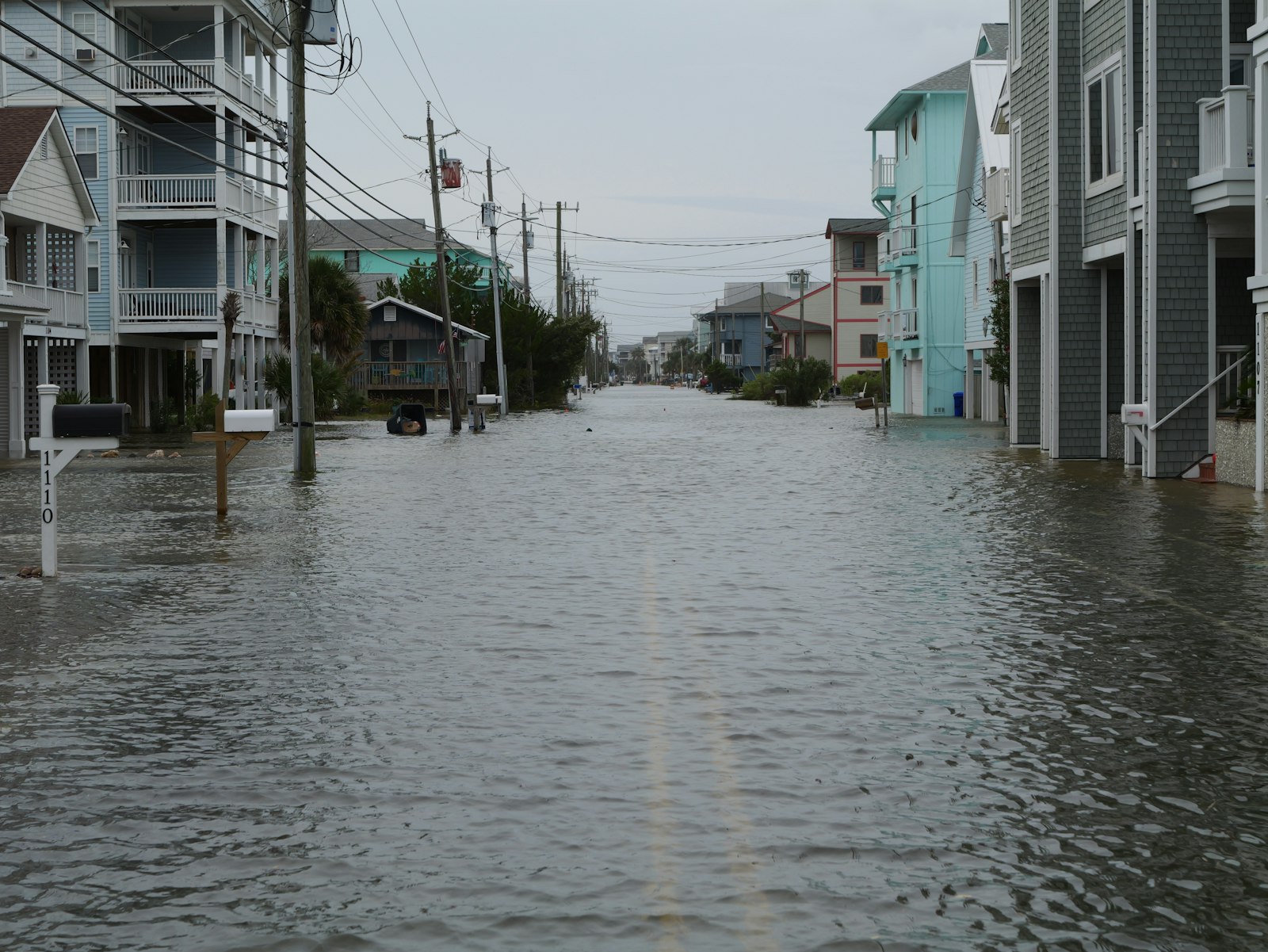
Storm work is usually priced by the provider around how far the water spread and what it carried with it. Ask what is being removed and why before anything is cut.
Water that crossed a yard or a street is not clean. Carpet pad and saturated drywall are usually removed rather than dried, and surfaces are cleaned before drying starts.
Wet insulation holds water against the ceiling board. It is pulled back so the framing can dry, and the ceiling repair should get a separate scope.
Ask the provider to record photos, moisture readings and a materials list as the work goes; insurers often ask for them later.
How much is removed depends on what the water carried and how long it sat. Clean roof-leak water caught early is a very different job from yard water that ran through the living room.
The work runs through water extraction and structural drying. Our dry and restore versus replace guide explains why some materials are saved and others are not.
When the water came through the ceiling rather than the doorway, start with roof leak cleanup instead. If a drain or sewer line backed up during the same storm, see sewage cleanup. For local scheduling, see the Avondale page or the full service areas list.
Stay out of standing water, especially outdoors and anywhere near an outlet, appliance or panel, and never drive into a flooded wash or street. Move what you can lift to a dry room, then call Glendale Water Damage Repair once it is safe to move around.
Roof leaks and wind damage are treated differently from water entering at ground level, and coverage depends on your policy. Document everything before cleanup starts; see insurance claim basics.
Not until the system has been checked. If water reached the air handler, the return or the ducts, running it moves moisture and debris through the whole house. Leave it off and say so when you call.
Wind-driven rain can sit in insulation or on top of the ceiling board for days before it shows through. That is why a storm-season stain is worth checking even when it looks small; read signs of hidden water damage.
Call and say where the water got in and what it left behind.