Finding the water source
Meters and a thermal camera are used to find what is still wet, and repairing that is part of the plan rather than an afterthought.
Mold needs a wet building material, not humid air, which is why it turns up in desert homes after a leak nobody caught. An independent provider should find and fix the water source first, then remove what has grown.
Arizona homes get mold from wet material rather than from the outdoor air: a roof leak during monsoon storms, a condensate line that backed up in August, a supply line weeping behind a wall, or a bathroom with no working exhaust fan. If the water is not fixed, the growth comes back.
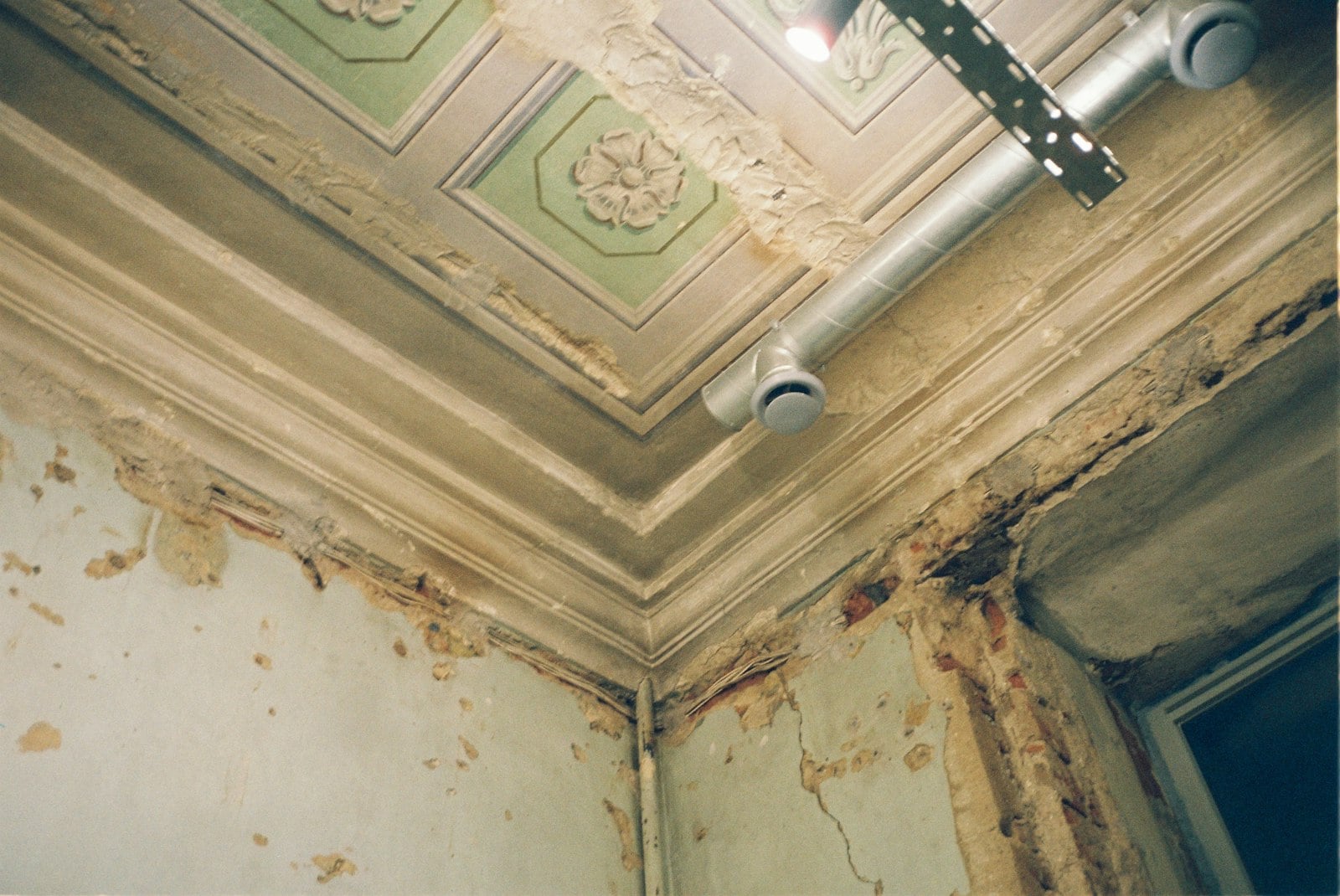
Growth is a symptom, so the scope starts with the moisture. Ask the independent mold remediation provider to write the containment, removal and drying steps down before work begins.
Meters and a thermal camera are used to find what is still wet, and repairing that is part of the plan rather than an afterthought.
The work area is sealed and put under filtered negative air, so spores are not pushed through the rest of the house while material is removed.
Affected porous material is cut out and bagged, framing and hard surfaces are cleaned, and the area is dried and rechecked before it is closed up.
A small patch behind a toilet is not the same job as a wall cavity that has been wet for months, and the quote should make clear which one you have.
Arizona does not license mold work separately, so ask any company what standards and training its technicians follow, and ask to see the containment and drying plan in writing before work starts.
Where the growth followed a leak, the same visit usually covers burst pipe cleanup and structural drying. The restore versus replace guide explains which materials come out, and signs of hidden water damage covers what to look for.
Wet drywall, carpet pad and cabinet bases can start growing within a couple of days even in dry outdoor air, because the material itself stays wet. That is why it helps when a provider starts drying straight away.
People usually mean Stachybotrys, a dark greenish-black growth that appears on material kept wet for a long time. Mold can irritate, and people with asthma or allergies may react, but naming the species does not change the work: find the water, contain the area and remove the affected material.
Testing helps when growth is suspected but not visible, or when someone wants a record of conditions. If you can already see it and smell it, the effort is better spent finding the water and removing the material.
Wiping a small spot on tile or a shower frame is reasonable. Spraying drywall that is wet inside only treats the outside of the problem, and cutting into an affected wall without containment spreads it further.
Call and say where the smell or the growth is and what leaked before it.