Water Damage Restoration Cost in Glendale, AZ
Water damage restoration cost in Glendale depends on a handful of drivers: where the water came from, how far it spread, which materials got wet, how long it sat, and how much has to be removed and rebuilt. No honest quote is possible before an inspection, so the useful step is knowing what changes the scope.
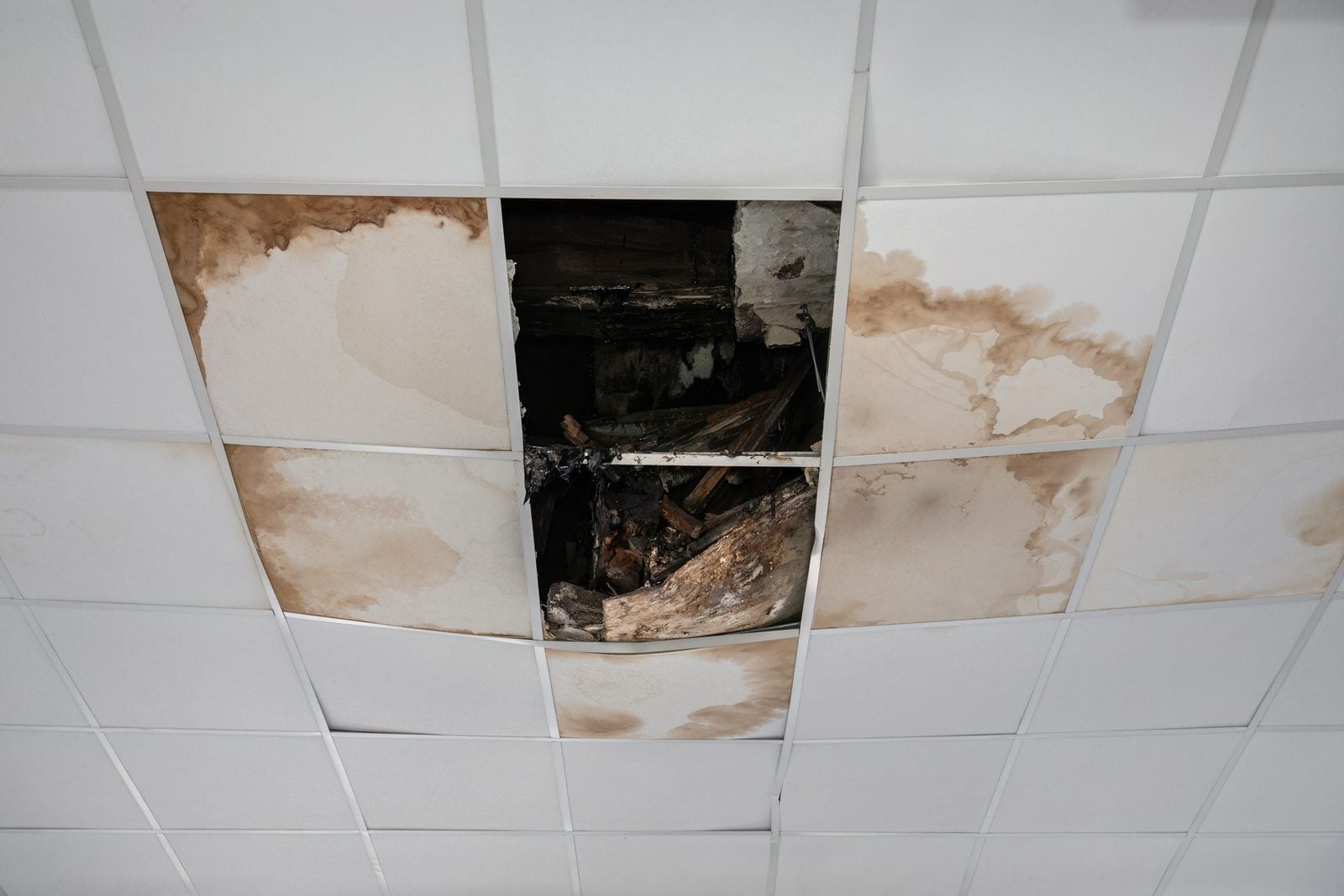
- The source of the water (clean supply line, appliance, roof, flood or sewage) is one of the biggest drivers of scope.
- EPA says to dry water-damaged areas and items within 24-48 hours to prevent mold growth, and delays usually widen the job.
- Porous materials like carpet pad, insulation and drywall are more likely to need removal than tile, concrete or framing.
- DIFI says it is your right to get more than one quote, and to verify coverage with your adjuster, not a contractor.
- A written quote after an inspection is the only reliable way to know the cost for your home.
What affects water damage restoration cost in Glendale?
Water damage restoration cost in Glendale is driven by the scope of the job, not by a flat rate. The main drivers are the water source, the size of the wet area, the materials involved, how long the water sat, how much drying equipment is needed, and whether walls, floors or cabinets must be removed and rebuilt.
Two leaks that look alike can lead to very different bills. A dishwasher leak caught right away on tile is a small drying job. The same water running overnight under laminate and behind baseboards is a much bigger one. Providers price what their moisture meters find, not what is visible at first glance.
How does the type of water change the price of cleanup?
The type of water changes the cost because it decides what can be dried and saved versus what must be cleaned, disinfected or thrown out. In plain words, there are three rough categories:
- Clean water: a burst supply line or leaking water heater. Materials can often be dried in place if work starts quickly.
- Gray water: appliance water, or water that sat and picked up contaminants. More cleaning and some removal is common.
- Black water: sewage and outside floodwater. Porous items it touches are usually removed and the area sanitized.
Clean water left sitting can become gray water, one more reason speed matters. For unsanitary water, see sewage backup cleanup.
Why do the size of the wet area and the materials matter so much?
The size of the wet area and the materials it reached set how much equipment runs, for how long, and what gets removed. A small wet spot on concrete dries far more easily than water that wicked into drywall, carpet pad, insulation and cabinet bases across several rooms.
- Tile and sealed concrete: usually dried in place, though the slab may hold moisture.
- Carpet and pad: carpet can sometimes be dried, but soaked pad is often replaced.
- Laminate and engineered wood: these often swell or cup once water gets under them.
- Drywall and cabinets: solid, clean-water drywall may dry in place, while swollen sections and particleboard cabinet bases are often removed.
- Attic insulation: soaked insulation from a roof leak usually comes out.
Water also travels under walls and into the next room, so the true wet area is often larger than the visible stain.
Need help now? Call to be connected with a local provider in Glendale who can check availability for your address.
Does waiting to dry out water damage make restoration more expensive?
Yes, waiting usually makes the job bigger. EPA says it is important to dry water-damaged areas and items within 24-48 hours to prevent mold growth. After that, more materials tend to need removal, clean water can turn into gray water, and mold cleanup may be added.
Slow leaks are the trickiest, because they can run for weeks behind a wall. Our guide to signs of hidden water damage explains what to look for. The Arizona Department of Health Services says it is critical to remove the source of moisture first, because mold will return if the area becomes re-wetted.
How do drying equipment and drying days factor into the cost?
Drying equipment and the number of days it runs are a core part of most restoration quotes. Larger or wetter areas need more air movers and dehumidifiers, and dense materials like hardwood or a concrete slab take longer to reach a dry reading than drywall or carpet.
A quote may list extraction, equipment setup, daily monitoring and final moisture readings as separate items. DIFI suggests keeping a log of times, dates, technician names and equipment used, such as dehumidifiers, air movers and moisture detectors, during water mitigation. That log helps you match the work to the bill. See structural drying and dehumidification.
When does tear-out and rebuild add to the cost?
Tear-out and rebuild add to the cost when materials cannot be dried and saved. Swollen flooring, crumbling drywall, soaked insulation and contaminated materials usually come out, and putting them back is a separate stage with its own labor and materials.
Mitigation is the extraction, removal and drying. Rebuild is the drywall, paint, flooring and cabinets that follow, sometimes by a separate contractor. After flooding, the Arizona Department of Health Services advises removing all sheetrock to at least 12 inches above the high-water mark. Matching discontinued finishes across rooms can also widen the scope. Our page on dry and restore vs. tear out and replace explains the trade-offs.
How does homeowners insurance affect what I pay for water damage?
Insurance may affect what you pay, but only your own policy and your insurer decide that. DIFI says water damage not caused by a flood may be covered by homeowners or renters insurance if it results from a sudden or accidental event, and your policy spells out what is and is not covered. Many policies treat sudden damage differently from gradual leaks.
FEMA says most homeowners insurance policies do not cover flood damage. DIFI advises calling your insurance company or adjuster before calling a contractor, verifying coverage with the adjuster rather than a contractor, and taking pictures before any mitigation, plumbers or restoration contractors show up. See water damage insurance claim basics.
What happens during the visit before you get a quote?
The visit starts with an inspection. A provider finds the water source, maps how far moisture spread with meters, and notes which materials are wet. They explain your options for drying, removal and repair, then give a written quote before any work begins. No timeline is set until the inspection is done.
- Show where the leak started and when you first noticed it.
- Point out every room and cabinet that got wet, even if it looks dry now.
- Ask which materials will be dried in place or removed, and why.
- Ask how the quote is broken down and how moisture readings will be shared.
DIFI advises making sure any contractor is licensed in Arizona and notes that it is your right to get more than one quote. You can check a contractor in the Arizona Registrar of Contractors' online contractor search. See how it works.
How can I keep water damage restoration costs down?
The most effective ways to keep water damage restoration costs down are to stop the water fast, start drying quickly and document everything.
- Close the main shut-off or the fixture valve as soon as it is safe to reach.
- Stay out of standing water near outlets or appliances.
- Move furniture, rugs and boxes off wet floors.
- Run air conditioning and fans, unless the water is sewage.
- Take photos and video before anything is moved or thrown away.
- Fix small drips under sinks and behind toilets early.
EPA advises keeping indoor relative humidity below 60 percent, ideally between 30 and 50 percent. When you are ready, call to be connected with a local water damage provider who can inspect and explain the scope.
Cost factors for Glendale and West Valley homes
Local conditions shape which kinds of water damage Glendale homes see most, and that shapes the scope. The City of Glendale says hard water can lead to scaling in pipes, water heaters and plumbing fixtures like faucets and showerheads, so water heaters and supply connections are common leak sources. In Sun City, EPCOR's 2025 report puts hardness at 7 to 11 grains per gallon.
The National Weather Service defines the monsoon as June 15 through September 30 and says flash floods are common in Arizona. During the October 9-13, 2025 event, NWS Phoenix issued 25 Flash Flood Warnings and 16 Flood Warnings across its forecast area, which includes the West Valley. Outside floodwater usually means more removal than a clean leak.
Phoenix also averages 111 days per year of 100°F or higher, so air conditioners run hard. EPA advises keeping AC drip pans clean and drain lines flowing properly. Homeowners in Peoria, Surprise and Goodyear face the same mix of leaks, storms and heat. See all service areas near Glendale.
Related pages
Questions people ask
How much does water damage restoration cost in Glendale, AZ?
There is no single number, because water damage restoration cost depends on the water source, the wet area, the materials and how long the water sat. A provider can only give an honest figure after an inspection and a written quote.
Why can't anyone tell me the cost of water damage restoration over the phone?
Because the visible damage is often only part of the problem. Water spreads under floors and behind walls, and a provider needs moisture readings to see the true wet area before pricing the job.
Is a clean water leak cheaper to restore than a sewage backup?
Usually, yes. Clean water from a supply line can often be dried in place, while sewage is unsanitary and usually means removing porous materials and disinfecting before any rebuild.
What makes one water damage job so much more expensive than another?
The biggest differences come from how far the water spread, how long it sat and what it soaked. Water in carpet pad, drywall and cabinets across several rooms means far more work.
Does it cost more to restore water damage if I wait a few days?
Often it does. EPA says to dry water-damaged areas within 24-48 hours to prevent mold growth, and after that more materials tend to need removal and mold cleanup may be added.
Is it cheaper to dry out drywall or replace it after a leak?
Drying in place is usually less work when the drywall is wet from clean water and still solid. Drywall that is swollen, crumbling or touched by sewage or floodwater is normally cut out and replaced.
Do I have to pay for mitigation and rebuild separately?
Sometimes. Mitigation covers extraction, removal and drying, and rebuild covers putting the home back together. Some providers do both, while others hand rebuild to a separate contractor with its own quote.
What should a written water damage restoration quote include?
A useful quote lists the scope room by room. Look for extraction, equipment and drying days, material removal, cleaning or sanitizing, and rebuild items, plus how moisture readings will be documented.
Is it worth getting more than one quote for water damage restoration in Arizona?
It can be. DIFI notes that it is your right to get more than one quote, and comparing scopes helps you see whether providers found the same wet areas and recommend the same removal.
Will my homeowners insurance pay for water damage restoration?
That depends on your policy and the cause, and only your insurer can decide. DIFI says sudden or accidental water damage not caused by a flood may be covered, so check your policy and call your adjuster.
Does homeowners insurance pay for flood damage from a monsoon storm?
Usually not. FEMA says most homeowners insurance policies do not cover flood damage, and separate flood policies typically have a 30-day waiting period after purchase, with some exceptions.
Does mold add to the cost of water damage restoration?
Mold usually adds cleanup work and can mean more material removal. EPA says homeowners can usually handle mold areas smaller than about 10 square feet themselves, while larger areas often need help.
Can I save money by doing some of the water damage cleanup myself?
You can help by stopping the water, moving belongings, running fans and documenting damage. Avoid sewage, wet electrical areas and opening walls yourself, and talk to your insurer before removing materials.
Does hard water in Glendale lead to more water damage repairs?
Hard water can contribute to leaks over time. The City of Glendale says hard water can lead to scaling in pipes, water heaters and fixtures, so checking older supply lines and tanks is worth doing.
Should I sign a contract before the restoration provider explains the cost?
No. Ask for a written quote and a clear explanation of the scope first. DIFI also warns against high-pressure sales and door-to-door offers for services you did not request.
Who can I call in Glendale to get a water damage restoration quote?
Call the number on this page to be connected with a local water damage provider. They can inspect, explain your options and give a written quote before work starts.
Talk to someone about your water damage problem
Call to be connected with a local provider who can check availability for your address and explain the next step.