Does Renters Insurance Cover Water Leak Damage in Glendale?
Does renters insurance cover water leak damage? In Glendale, a renters policy may cover your own belongings when a leak is sudden and accidental, but it usually does not pay to repair the building itself. That part normally falls to your landlord. Your policy wording decides, so take photos, tell your landlord and call your insurer.
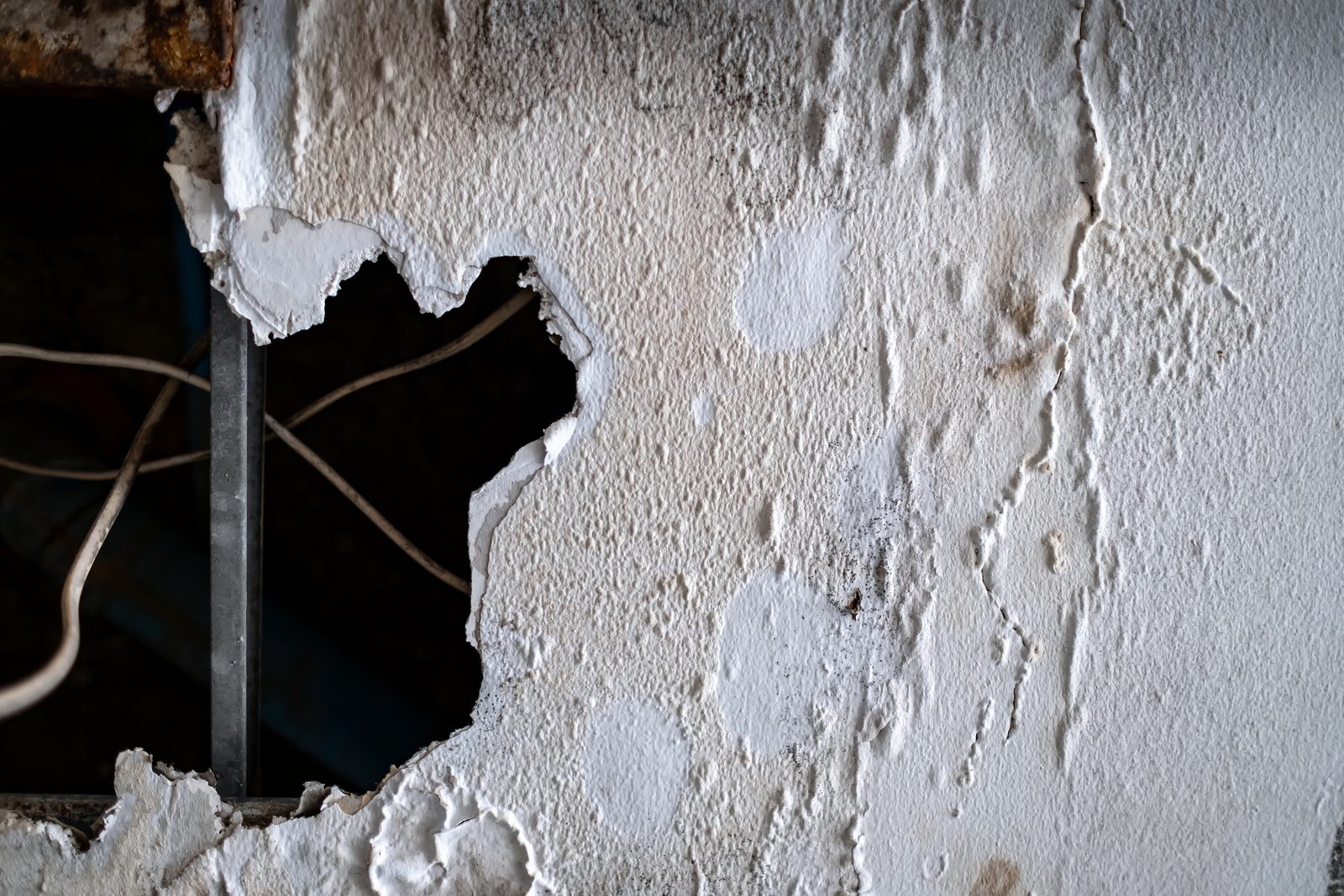
- Arizona DIFI says water damage not caused by a flood may be covered by homeowners or renters insurance if it results from a sudden or accidental event.
- DIFI advises renters to check with their landlord before any repair work begins.
- DIFI advises taking pictures of the damage before any mitigation, plumbers or restoration contractors show up.
- FEMA says most homeowners insurance policies do not cover flood damage.
- EPA says to dry water-damaged areas and items within 24-48 hours to prevent mold growth.
What to do first
- If water is still running and you can safely reach it, close the shut-off valve under the sink, behind the toilet or behind the washer. Stay out of standing water near outlets.
- Tell your landlord or property manager right away, by phone and in writing, so there is a dated record.
- Take photos and video of the leak, the wet floor and walls, and every damaged item before you move or throw anything away.
- Move furniture, electronics and boxes to a dry room and set wet items where they can start drying.
- Call your renters insurance company or agent to report the loss and ask what your policy covers.
Does renters insurance cover water leak damage in Glendale apartments and rentals?
Renters insurance in Glendale may cover water leak damage to your personal belongings when the leak is sudden and accidental, such as a burst supply line or an overflowing dishwasher. It generally does not cover the walls, floors, cabinets or plumbing, because those belong to the property owner. The exact answer is in your own policy.
Arizona's Department of Insurance and Financial Institutions (DIFI) puts it plainly: water damage that is not caused by a flood may be covered by homeowners or renters insurance if it results from a sudden or accidental event, and your policy spells out what is and is not covered. Nobody outside your insurer can promise a claim will be paid, including a landlord, a contractor or a website like this one.
What does a renters policy usually protect after a leak?
A typical renters policy is built around three parts: your personal property, your liability to others, and help with extra living costs if the home becomes unlivable after a covered loss. After a leak, the personal property part is the one most renters use. Each part has its own limits and deductible rules.
- Your belongings: furniture, clothes, electronics, rugs and other items you own that were soaked by a covered leak.
- Liability: many policies address damage you accidentally cause to someone else, such as water from your unit reaching the apartment below.
- Extra living costs: some policies help if you must stay elsewhere while the unit is dried and repaired.
Read the declarations page and the water sections of your policy, or ask your agent to walk you through them.
Who pays for the building damage, the renter or the landlord?
In most Glendale rentals, the landlord or property owner handles repairs to the building itself: drywall, flooring, cabinets, ceilings and plumbing. Their own property insurance and lease terms decide how that is paid. Your renters policy focuses on what you own. If your actions caused the leak, the lease and your liability coverage may come into play.
This is why DIFI advises renters to check with their landlord before any repair work begins. Do not hire someone to open walls or replace flooring in a unit you rent without the owner's approval. Your job is to protect your belongings, document the damage and report it quickly. If you need help drying out your own items or want to understand what a provider would look for, you can call to be connected with a local water damage provider, and loop in your landlord before any work on the structure.
Need help now? Call to be connected with a local provider in Glendale who can check availability for your address.
Is a sudden leak treated differently from a slow, gradual leak?
Yes. Many policies treat sudden damage differently from gradual leaks. A pipe that bursts or a washer hose that splits is a one-time event. A drip under a sink that rotted the cabinet over months may be viewed as a maintenance issue, and policies often exclude wear, tear and long-term seepage.
That is one more reason to report small leaks to your landlord in writing the day you notice them. A dated message shows when you found the problem and that you acted. Signs of a slow leak include a musty smell, swollen baseboards, soft spots in flooring, or stains spreading on a ceiling. If you see these, our guide to signs of hidden water damage explains what to look for.
Does renters insurance cover flood or monsoon water?
Usually not. Standard renters policies, like most homeowners policies, typically exclude flood damage, meaning rising surface water that enters from outside. FEMA says most homeowners insurance policies do not cover flood damage, and renters can buy separate flood coverage for their belongings through the National Flood Insurance Program or private insurers.
FEMA also says there is typically a 30-day waiting period from the date of purchase before an NFIP policy goes into effect, with some exceptions. That means you cannot wait for a storm forecast and then buy coverage. Wind-driven rain that enters through a damaged roof or window is a different situation from floodwater, and policies treat these causes differently. Ask your agent how your policy defines flood and what it says about storm damage. For cleanup after outside water, see storm and flood damage cleanup.
What should renters document for a water leak claim?
Document everything before anything is moved, cleaned or thrown out. DIFI advises taking pictures of the damage before any water mitigation, plumbers or restoration contractors show up. Good records make a claim easier to review and help settle questions between you, your landlord and your insurer.
- Wide photos of each room, then close-ups of each damaged item and its brand or model label.
- Video of active dripping or standing water, if it is safe to film.
- A list of damaged items with rough age and where you bought them. Receipts and order emails help.
- Copies of every message to your landlord, with dates and times.
- A log of times, dates, technician names and equipment used if drying equipment is set up, as DIFI suggests.
Keep damaged items until your insurer says you can discard them.
How fast does a wet rental need to dry out?
Fast. EPA says it is important to dry water-damaged areas and items within 24-48 hours to prevent mold growth. In a rental, the clock starts when the leak happens, not when the claim is approved, so tell your landlord immediately and start drying what you own.
Pull wet rugs, cushions and boxes away from walls, run fans and air conditioning, and open closet doors. Walls, carpet pad and subfloor are harder to dry and usually need professional equipment arranged with the property owner. The Arizona Department of Health Services says it is critical to remove the source of moisture first, because mold will return if the area becomes re-wetted. Learn how air movers and dehumidifiers are used in structural drying and dehumidification.
What happens during a water damage visit in a rental?
A water damage visit starts with an inspection. A provider checks where the water came from, how far it spread, and which materials are wet, often with moisture meters. They explain options for drying, removal and repair, and give a written quote before any work begins. No timeline is promised until the inspection is done.
In a rental, the property owner usually needs to approve work on the structure, so it helps if the landlord or property manager is part of the conversation. DIFI advises calling your insurer or adjuster before calling a contractor, and verifying coverage with the adjuster rather than taking a contractor's word for what is covered. DIFI also notes that it is your right to get more than one quote. To understand the usual steps, see how it works.
Renters and water leaks in Glendale and nearby West Valley cities
Most indoor leaks in Glendale rentals come from supply lines, water heaters, appliances and roofs. The City of Glendale says hard water can lead to scaling in pipes, water heaters and plumbing fixtures like faucets and showerheads, and its 2025 report shows a supply that is 55% Salt River Project, 41% Central Arizona Project and 4% groundwater. Outside water is a separate risk: the National Weather Service defines the monsoon as June 15 through September 30, and says flash floods are common in Arizona.
Renters in Peoria, Surprise, Avondale, Goodyear and Sun City face the same basic rules: report leaks to the landlord, document damage, and check your own policy. DIFI also warns against high-pressure sales and people going door to door offering services you did not request, which is common after storms.
See all service areas near Glendale.
Related pages
Questions people ask
Does renters insurance cover water leak damage to my stuff?
Often yes, if the leak was sudden and accidental and your policy includes it. Renters policies mainly protect your personal belongings. Check your policy wording and report the loss to your insurer quickly.
Does renters insurance cover water leak damage to the apartment itself?
Usually not. Walls, floors, cabinets and plumbing belong to the property owner, whose own insurance and lease terms usually apply. Tell your landlord right away so they can arrange repairs.
My upstairs neighbor's leak ruined my things in Glendale. Who pays?
It depends on the cause and the policies involved. Your own renters policy may cover your belongings, and your insurer can decide whether to pursue the other party. Report it to your landlord and insurer, and document everything.
What if my leak damaged the unit below mine?
Many renters policies include liability coverage that may address damage you accidentally cause to others. Call your insurer, tell your landlord, and do not admit fault or promise payment before your insurer reviews it.
Is a slow leak under the sink covered by renters insurance?
Often not. Many policies treat gradual leaks and long-term seepage as maintenance problems rather than sudden events. Report even small leaks to your landlord in writing the day you notice them.
Does renters insurance cover a burst pipe in Arizona?
A burst pipe is usually considered sudden, so damage to your belongings may be covered under your policy. The pipe repair and building damage normally fall to the landlord. Confirm details with your insurer.
Does renters insurance cover water damage from a washing machine or dishwasher leak?
It may, if a hose or valve failed suddenly and your belongings were damaged. A leak from poor maintenance over time may be treated differently. See appliance leak cleanup for what drying involves.
Does renters insurance cover monsoon flooding in Glendale?
Usually not. Most standard policies exclude flood, meaning rising water from outside. Separate flood coverage for belongings is available, and FEMA notes a typical 30-day waiting period for NFIP policies, with some exceptions.
Does renters insurance cover a roof leak during a storm?
It depends on your policy and the cause. Rain entering through storm damage may be treated differently from floodwater or a long-ignored roof problem. The roof itself is the landlord's responsibility.
Should I call my landlord or my insurance company first after a leak?
Do both right away. Tell your landlord so the leak gets stopped and repaired, and call your insurer to report damage to your belongings. DIFI advises renters to check with their landlord before any repair work begins.
Can I hire a water damage company myself as a renter?
You can get help drying or cleaning your own belongings, but work on walls, floors or plumbing needs the property owner's approval. Talk to your landlord first, then call to be connected with a local provider if needed.
What should I photograph after a water leak in my rental?
Photograph each room wide, then each damaged item up close, including labels. Film any active leak if it is safe. DIFI advises taking pictures before mitigation, plumbers or restoration contractors show up.
Should I throw away wet items before my claim is reviewed?
No. Photograph them and keep them until your insurer says you can discard them, unless they are a health or safety hazard. Move them to a dry spot or outside if they are soaked.
How long do I have to dry out water damage before mold starts?
EPA says to dry water-damaged areas and items within 24-48 hours to prevent mold growth. Start drying your belongings right away and ask your landlord to arrange drying for the structure.
Will renters insurance pay for a hotel if my apartment is unlivable after a leak?
Some policies include extra living cost coverage after a covered loss. Check your policy for this section, keep receipts, and ask your insurer before booking a long stay.
Does my landlord's insurance cover my belongings?
Generally no. A landlord's property policy usually covers the building, not tenants' personal items. That is the main reason renters buy their own policy.
Is water damage from a water heater leak covered by renters insurance?
Damage to your belongings from a sudden tank or fitting failure may be covered. The water heater itself usually belongs to the owner, so the landlord handles the repair or replacement.
What if my landlord is slow to fix a leak in my Glendale rental?
Keep reporting it in writing and save every message. Protect and document your belongings in the meantime. For questions about your rights under the lease, consider contacting a tenant resource or legal aid organization.
Can a contractor tell me what my renters insurance will cover?
No. DIFI advises verifying coverage with your insurer or adjuster rather than taking a contractor's word for what is covered. Only your insurer can make that decision.
Does renters insurance cover sewage backup in an apartment?
Many policies exclude sewage or drain backup unless you added that coverage. Check your policy. Sewage water is unsanitary, so keep clear and see sewage backup cleanup for next steps.
Talk to someone about your water damage problem
Call to be connected with a local provider who can check availability for your address and explain the next step.