Emergency Roof Leak Repair in Glendale, AZ
Emergency roof leak repair in Glendale starts inside your home, not on the roof. Catch the water, keep people away from a sagging ceiling, take photos and call your insurer. Then call to be connected with a local provider who can look at the roof and dry out the ceiling, walls and floors.
- The National Weather Service defines the Southwest monsoon as June 15 through September 30.
- NWS says wind gusts of 40 to 60 mph are likely during a Dust Storm Warning.
- EPA says to dry water-damaged areas and items within 24-48 hours to prevent mold growth.
- Arizona DIFI advises taking pictures of the damage before any mitigation or restoration work starts.
- ADHS lists leaky roofs among the indoor moisture sources that must be stopped before mold cleanup begins.
What to do first
- Stay off the roof while it is raining, windy or dark. Wet tile, shingles and flat roof coatings are slippery.
- Set out buckets, pans or bins under each drip and lay towels around them. Move rugs, electronics and furniture out of the wet area.
- Keep everyone out of the room under any ceiling that is sagging or holding water.
- If water is close to a light, ceiling fan or outlet, turn off that circuit at the breaker, but only if you can reach the panel while standing on a dry floor.
- Photograph and video the ceiling, walls, floors and wet belongings, then call your insurer and call to be connected with a local provider.
What does emergency roof leak repair in Glendale actually involve?
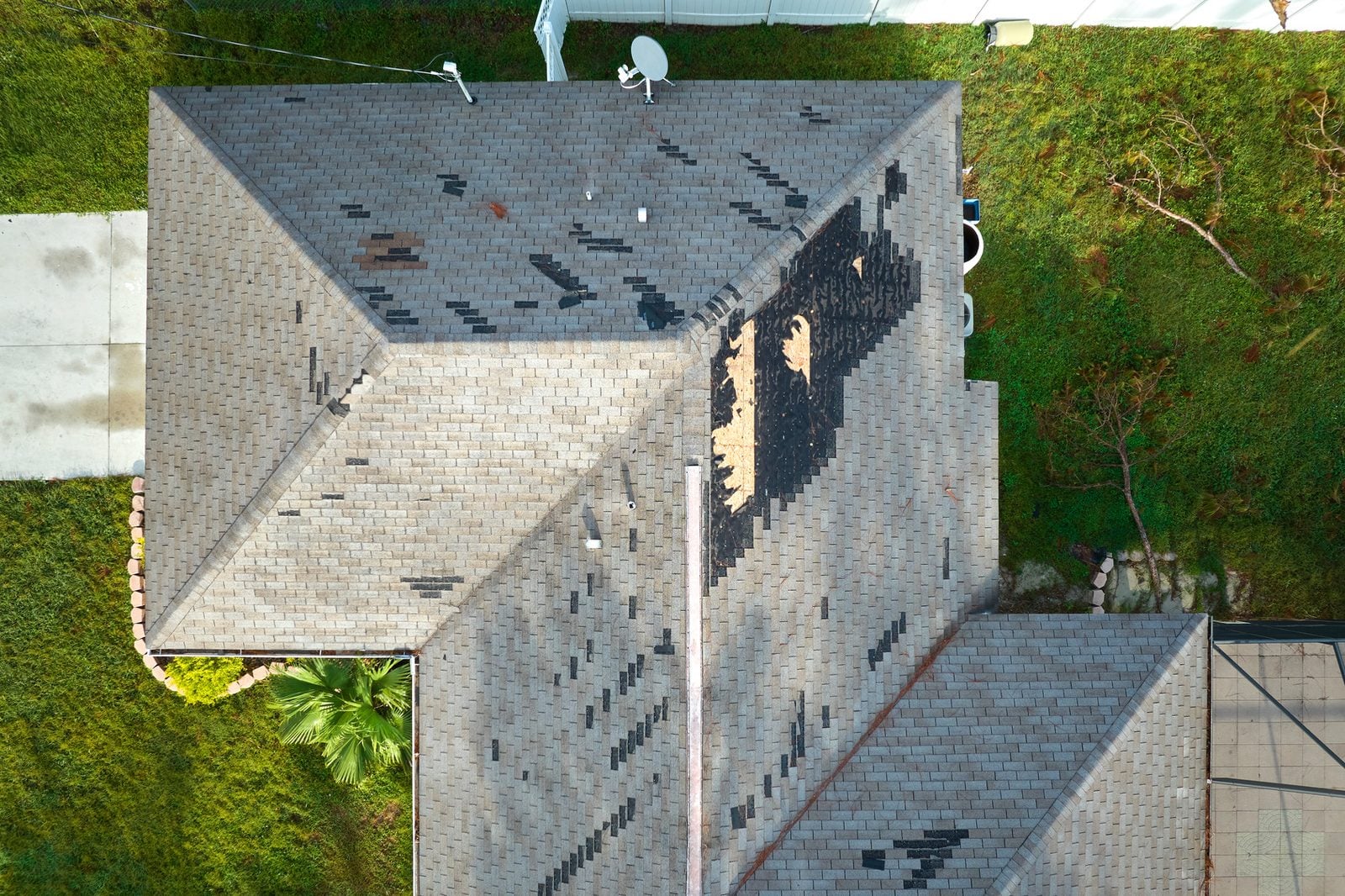
Emergency roof leak repair in Glendale has two parts: a temporary cover to stop more water from coming in, and drying the inside of the home before damage spreads. The roof work is often a tarp or a quick patch until a full repair can be planned. The inside work is water removal, moisture checks and drying.
Both parts matter. A tarp stops new water, but the water already in the ceiling, insulation and walls keeps soaking in until it is dried out. For the interior side, see roof and ceiling leak water damage.
What should I do inside while the roof is still leaking?
While the storm is still going, focus on catching water and protecting what you can move. You do not need to find the hole in the roof tonight.
- Empty buckets before they overflow.
- Lift furniture onto blocks or foil and pull back wet rugs.
- Write down when the leak started and where you saw water first. This helps trace it later.
If water is spreading across the floor, read about emergency water extraction.
What do emergency roof repair services usually include?
Emergency roof repair services usually cover a temporary fix that keeps water out until the weather clears.
- Tarping: a heavy tarp is fastened over the damaged area so water runs off it.
- Quick patches: sealing lifted flashing, a cracked vent boot or a small hole.
- Clearing drains: on flat roofs, clearing drains and scuppers so water stops pooling.
Ask the provider to explain what is temporary and what still needs a permanent repair.
Need help now? Call to be connected with a local provider in Glendale who can check availability for your address.
How do tile, shingle and flat roofs leak differently?
Each roof type tends to fail in its own way, which changes where water shows up inside.
- Tile roofs: the tiles shed most rain, but the layer underneath does the real waterproofing. Water from a cracked or slipped tile can travel down the roof, so the stain may be far from the damage.
- Shingle roofs: wind can lift or tear shingles, and leaks often start at vents and valleys.
- Flat roofs: water ponds when drains or scuppers clog, then finds seams, cracked coatings and gaps around rooftop units.
Does the type of home change what I should do?
Yes. The basic steps stay the same, but who you call and where water travels can change.
- Two-story homes: water can run through the upper floor and show up on a first-floor ceiling, so check both levels.
- Condos and townhomes: the roof may belong to the association. Report the leak to your HOA or property manager and read your association documents.
- Manufactured homes: leaks can run inside ceiling panels before you see them.
- Rentals: tell your landlord in writing and check with them before any repair work starts.
How quickly do wet ceilings and insulation need to dry?
Start drying as soon as the water stops coming in. EPA says to dry water-damaged areas and items within 24-48 hours to prevent mold growth, and the inside of a ceiling holds water much longer than a floor.
Wet attic insulation can sit on the drywall like a sponge. A provider uses moisture meters to find the wet spots, then removes what cannot be dried and runs air movers and dehumidifiers. See structural drying and dehumidification. If you can see or smell mold later, read about mold remediation after water damage.
What happens during the visit?
When you call, you are connected with a local provider who comes out to look at the damage before any work is agreed. A typical visit looks like this:
- Inspection: the provider checks the ceiling, attic and walls under the leak, takes moisture readings in nearby rooms, and looks at the roof area above when it is safe.
- Options explained: they explain what a temporary roof cover does, what can be dried in place, and what may need to come out.
- Written quote first: you get a written quote that lists the work before anything starts, so you can share it with your adjuster or compare it with another quote.
Keep a copy of everything you sign and a log of who came and what equipment was used.
How should I handle the insurance side of a storm roof leak?
Call your insurer or adjuster early and let them confirm what your policy covers. Arizona DIFI says water damage not caused by a flood may be covered if it results from a sudden or accidental event, and that your policy spells out what is and is not covered.
- Take photos before anything is moved.
- Keep receipts for tarps and supplies, plus a log of dates, names and drying equipment.
- Check coverage with your adjuster, not a contractor.
Storm roof leaks in Glendale and the West Valley
Glendale is dry most of the year. Phoenix Sky Harbor averages 7.22 inches of rain a year (1991-2020), so many roofs go months without a real test. Then a monsoon storm hits between June 15 and September 30, and NWS says a Dust Storm Warning often comes with wind gusts of 40 to 60 mph. On one day in late September 2025, Sky Harbor got 1.64 inches of rain, its highest one-day total since October 13, 2018. Wind first and heavy rain right after is a common recipe for a sudden roof leak.
Homes in Peoria, Sun City, Avondale and Litchfield Park see the same storm patterns as Glendale.
- Hiring: Arizona law makes it unlawful to act as a contractor without a license in good standing unless exempt. You can look up a contractor in the Arizona Registrar of Contractors online search.
- After storms: DIFI warns against high-pressure sales and door-to-door offers you did not ask for.
See all service areas near Glendale.
Related pages
Questions people ask
Who do I call for emergency roof leak repair in Glendale, AZ?
Call the number on this page to be connected with a local provider who handles roof leak emergencies and the water damage inside Glendale homes. Ask for an inspection and a written quote before any work starts.
Is a roof leak during a storm an emergency?
In Glendale, a roof leak during a storm is worth treating as urgent, because water keeps soaking into ceilings and insulation as long as it rains. A single slow drip can usually wait for daylight if you catch it, but a spreading stain or sagging ceiling should not.
Should I climb on my roof to stop a leak during a storm?
No. Stay off the roof in Glendale while it is raining, windy or dark, because wet roofing is slippery and gusts can knock you off balance. Catch the water inside and let a provider cover the roof when it is safe.
Can a roof be tarped while it is still raining?
Sometimes, but only when the provider decides it is safe. In heavy rain, lightning or strong wind, the tarp often waits until the storm passes, so focus on protecting the inside of your Glendale home until then.
How do I protect my ceiling until someone can look at the roof?
Catch every drip in a bucket, move belongings out of the wet area and keep people out from under any sagging spot. Do not try to push up on a wet Glendale ceiling or patch it, since it can give way.
My tile roof is leaking in Glendale. Is it the tile or something underneath?
It is often the layer under the tile. Tiles shed most of the rain, but the underlayment below them keeps water out, so a leak in a Glendale tile roof can come from a cracked tile, a slipped tile or worn underlayment.
Why does my flat roof leak after heavy rain?
Flat roofs in Glendale usually leak when water pools instead of draining. Clogged drains or scuppers, cracked coatings, open seams and gaps around rooftop units are the usual places water gets in.
Can a swamp cooler or AC unit on the roof cause a leak?
Yes. Rooftop units in Glendale need openings and supports in the roof, and the seals around them can fail. EPA also advises keeping AC drip pans clean and drain lines flowing, since a blocked line can look like a roof leak.
I live in a Glendale condo and the roof is leaking. Who handles it?
Start by reporting it to your HOA or property manager, because the roof may belong to the association. Your association documents and your own policy explain who handles the roof and who handles the inside of your Glendale unit.
Can a roof leak in a two-story home damage the first floor?
Yes. In a two-story Glendale home, water can run through the upper floor framing and show up on a first-floor ceiling or wall, so check both levels and tell the provider where you saw water.
Can monsoon wind cause a roof leak even if the roof looked fine?
Yes. NWS says wind gusts of 40 to 60 mph are likely with a Dust Storm Warning, and wind like that can lift tiles, shingles and flashing on a Glendale roof right before the rain arrives.
Will insurance pay for emergency roof repair services in Arizona?
It depends on your policy, so ask your insurer or adjuster. Arizona DIFI says water damage not caused by a flood may be covered if it is sudden or accidental, and your Glendale policy spells out what is and is not covered.
Is it okay to wait until the storm is over to start drying?
Start as soon as water stops coming in. EPA says to dry water-damaged areas within 24-48 hours to prevent mold growth, so in Glendale it helps to call while the storm is still passing.
What records should I keep after an emergency roof leak?
Keep photos, receipts and a written log. Arizona DIFI suggests logging dates, times, names and drying equipment used, which helps when you talk with your insurer about a Glendale roof leak.
Does a leaking roof mean the whole roof needs to be replaced?
Not always. Many Glendale roof leaks come from one failed spot, like flashing, a vent or a few tiles, so ask the provider to explain repair and replacement options in writing.
What should I ask before I let anyone work on my roof after a storm?
Ask for a written quote, the name of the company and its Arizona contractor license. You can look it up in the Arizona Registrar of Contractors online search before work starts on your Glendale home.
Talk to someone about your water damage problem
Call to be connected with a local provider who can check availability for your address and explain the next step.